
Identify the arriving vehicle
Plate recognition, UHF and other supported methods identify arriving vehicles for the lane and user population. Uncertain readings enter an attended review path.
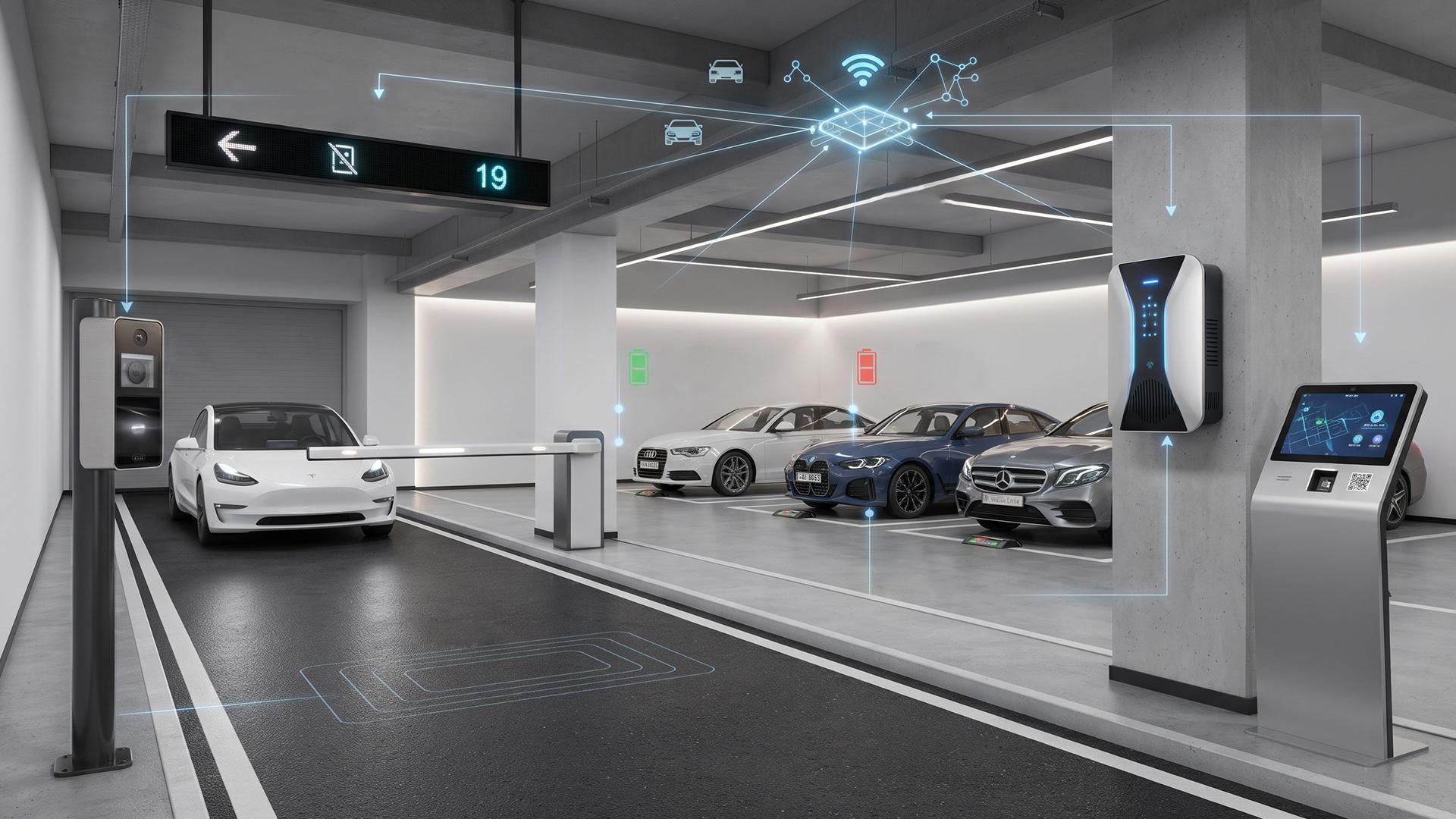
KEYPLUS · Systems
Coordinate vehicle identification, authorization, lane equipment and entry exceptions as part of the wider site-access plan. KEYPLUS scopes compatible recognition devices, readers, detectors and barrier interfaces around a safe and testable vehicle journey.
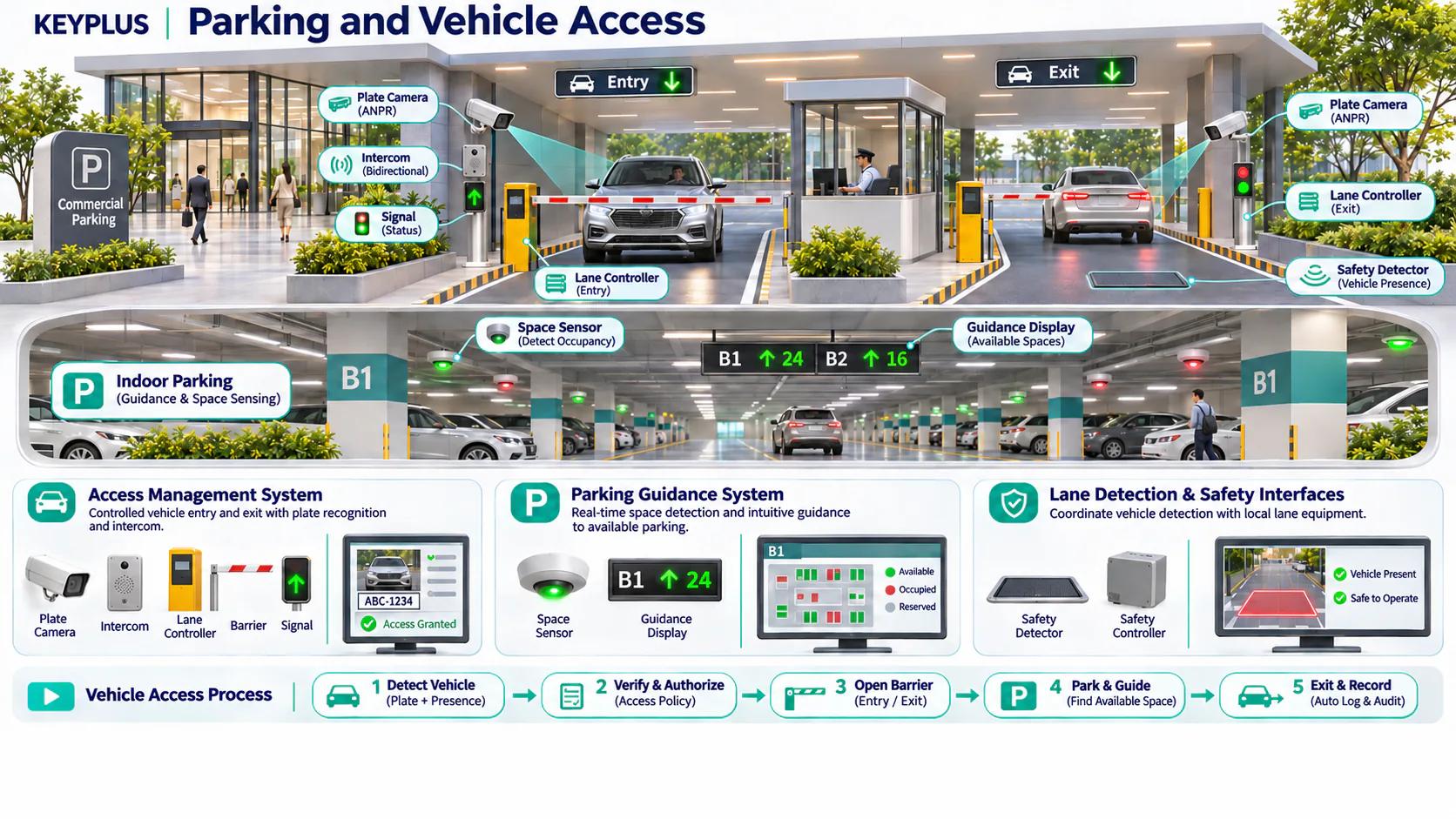
Recognition answers which identifier was observed; authorization answers whether it may enter. Plate or credential data therefore joins site and time permissions before a barrier request. Lane geometry, light, vehicle speed, tailgating risk and local safety shape the physical journey around that decision.
Recognition provides a candidate identifier; site and time permissions provide authorization. The barrier and detection equipment connect that decision with the lane, with available feedback giving the event a physical reference.
Plate recognition, UHF and other supported methods identify arriving vehicles for the lane and user population. Uncertain readings enter an attended review path.
A barrier request follows the identifier’s match with valid site, lane, time and user or visitor entitlement, keeping vehicle recognition separate from permission to enter.
Supported barrier commands, position and safety feedback, vehicle detection, signals and intercoms work together at the lane. Local safety functions retain their protection role.
Operator views provide context and supported controls for unreadable plates, unexpected arrivals, revoked appointments and device outages.
ANPR cameras, UHF readers and tags identify the vehicle; barriers and controllers handle the permitted lane action. Loop or radar detection, signals and intercoms support the physical route. Occupancy sensing, payment, bay guidance and EV charging each add their own equipment and interface scope.
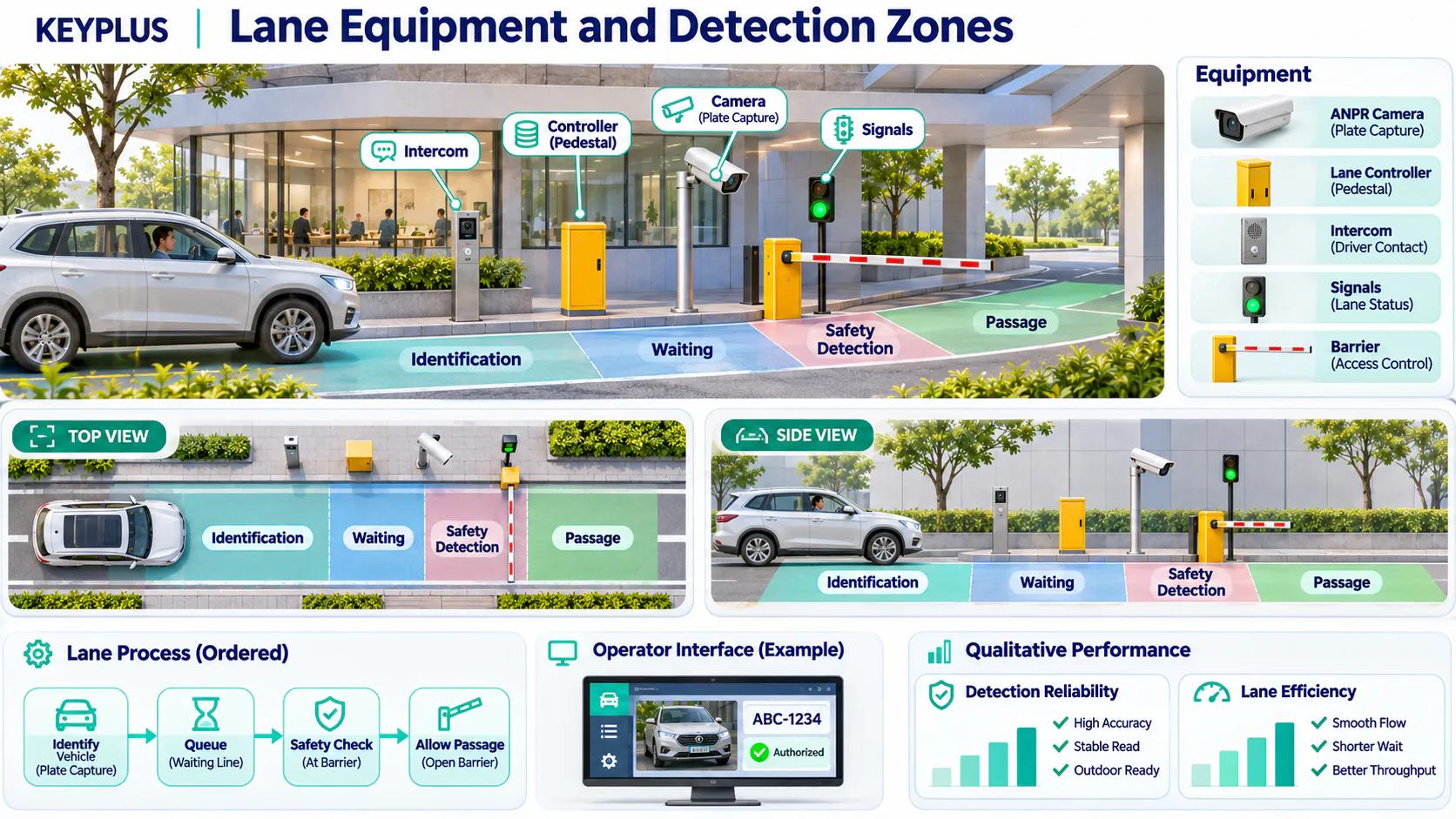
Vehicle recognition adds an identifier and confidence level to the lane workflow. Permission and local safety remain separate, while event patterns provide context for attended review.
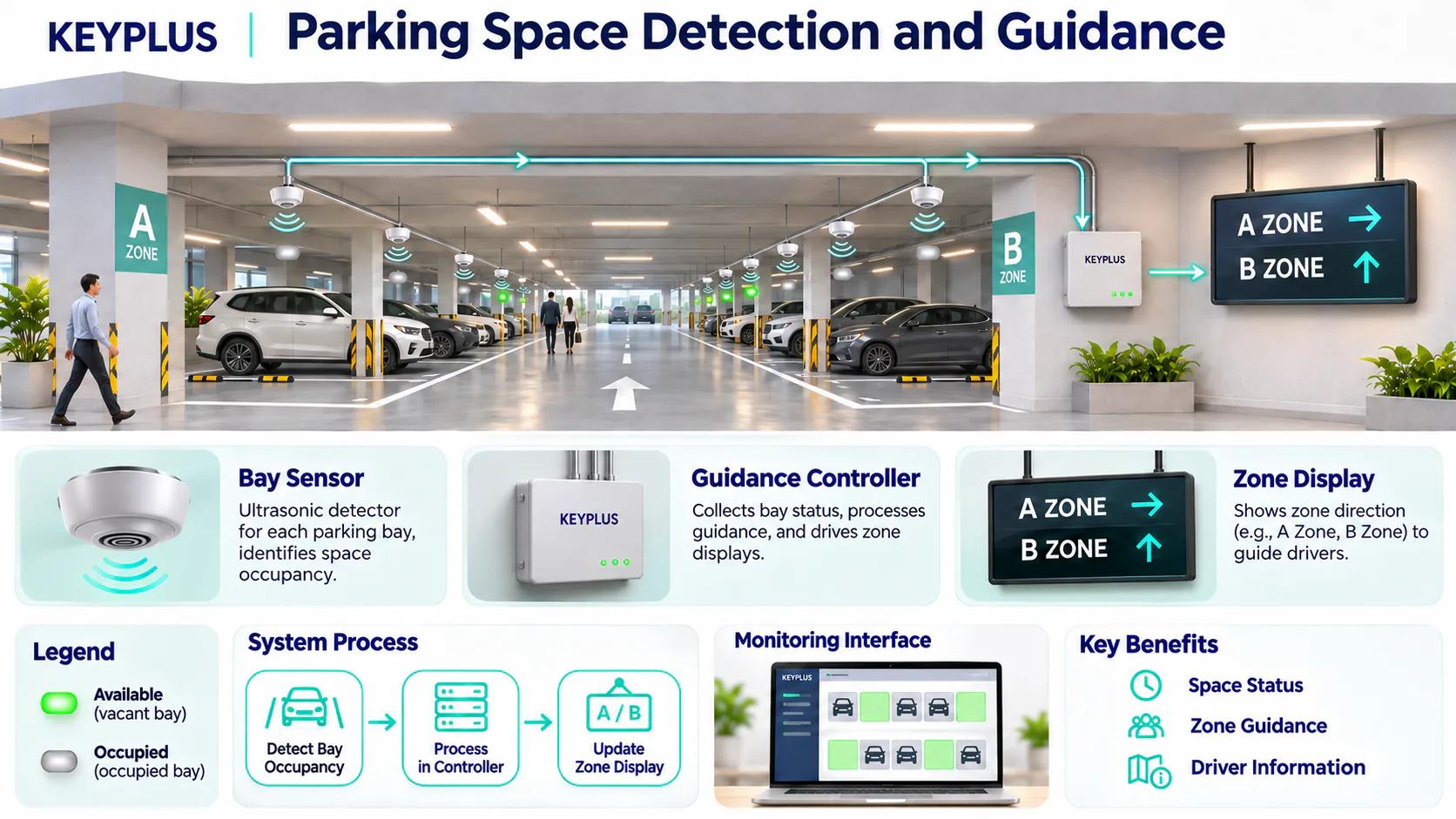
Uncertain plates, changed appointments and device interruptions have a place in the attended lane workflow. Access control, parking availability and payment remain distinct functions, connected only within the agreed system scope.
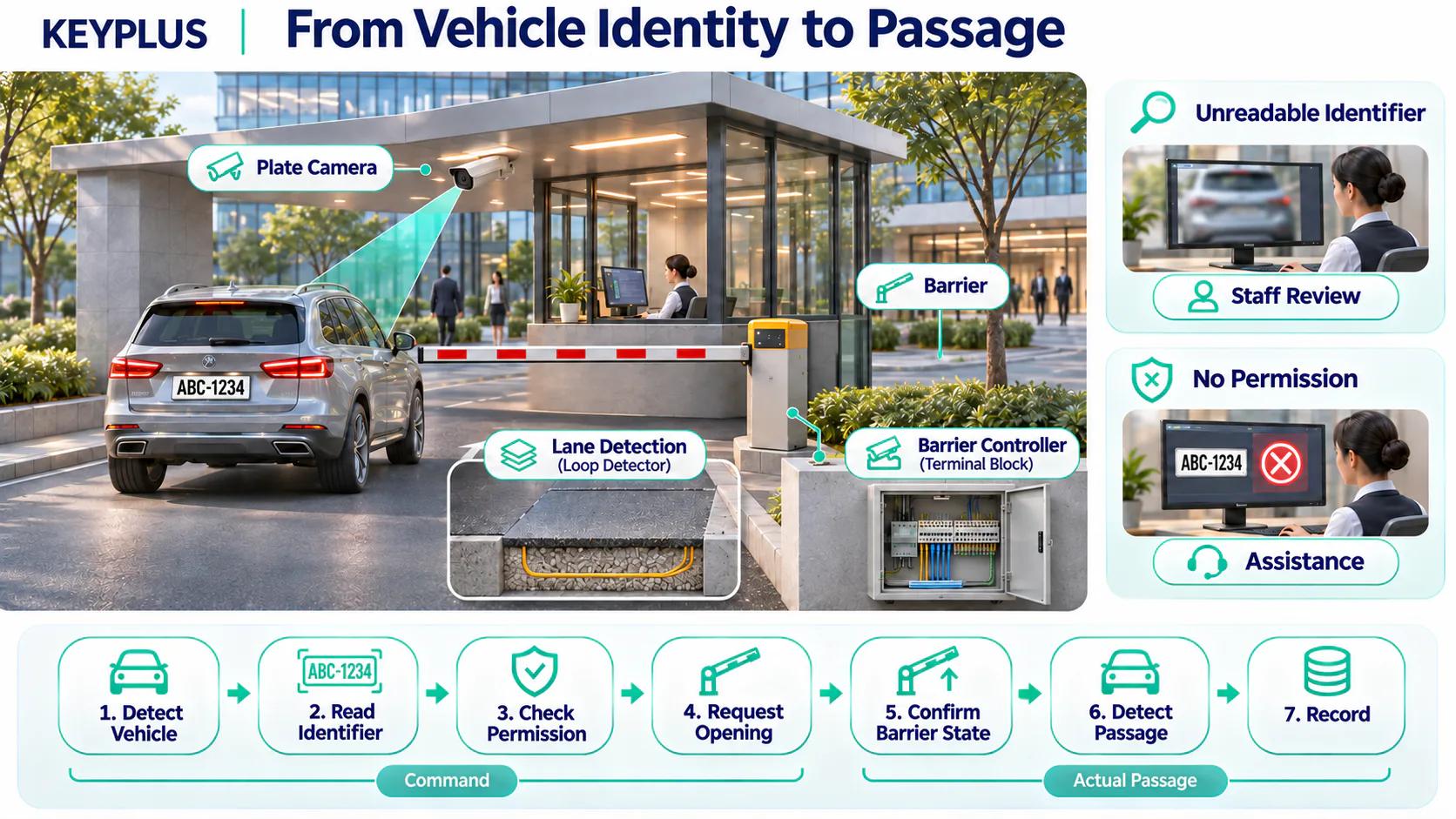
Lane engineering connects approach geometry, lighting, recognition equipment and barrier hardware. Commissioning brings the authorization logic together with detection, feedback and manual operation under representative site conditions.
Residential, campus, office, hotel and logistics sites have different traffic and visitor patterns. The vehicle-access design connects those patterns with the entry policy and lane experience.
Explore recognition, barriers, safety feedback and operator interfaces alongside the integration and deployment topics behind vehicle access.
No. It is a recognition result with scene-dependent confidence.
Only after reviewing command, feedback and local safety behavior.
Payment and tariff processes require a separate scope.
Barrier-state feedback, vehicle detection and operator records provide different evidence of completion. An accepted command is distinct from the vehicle’s physical passage.
Connect your vehicle-entry project with KEYPLUS, from recognition at the approach to the barrier and operator experience at the lane.