
A controlled tenancy lifecycle
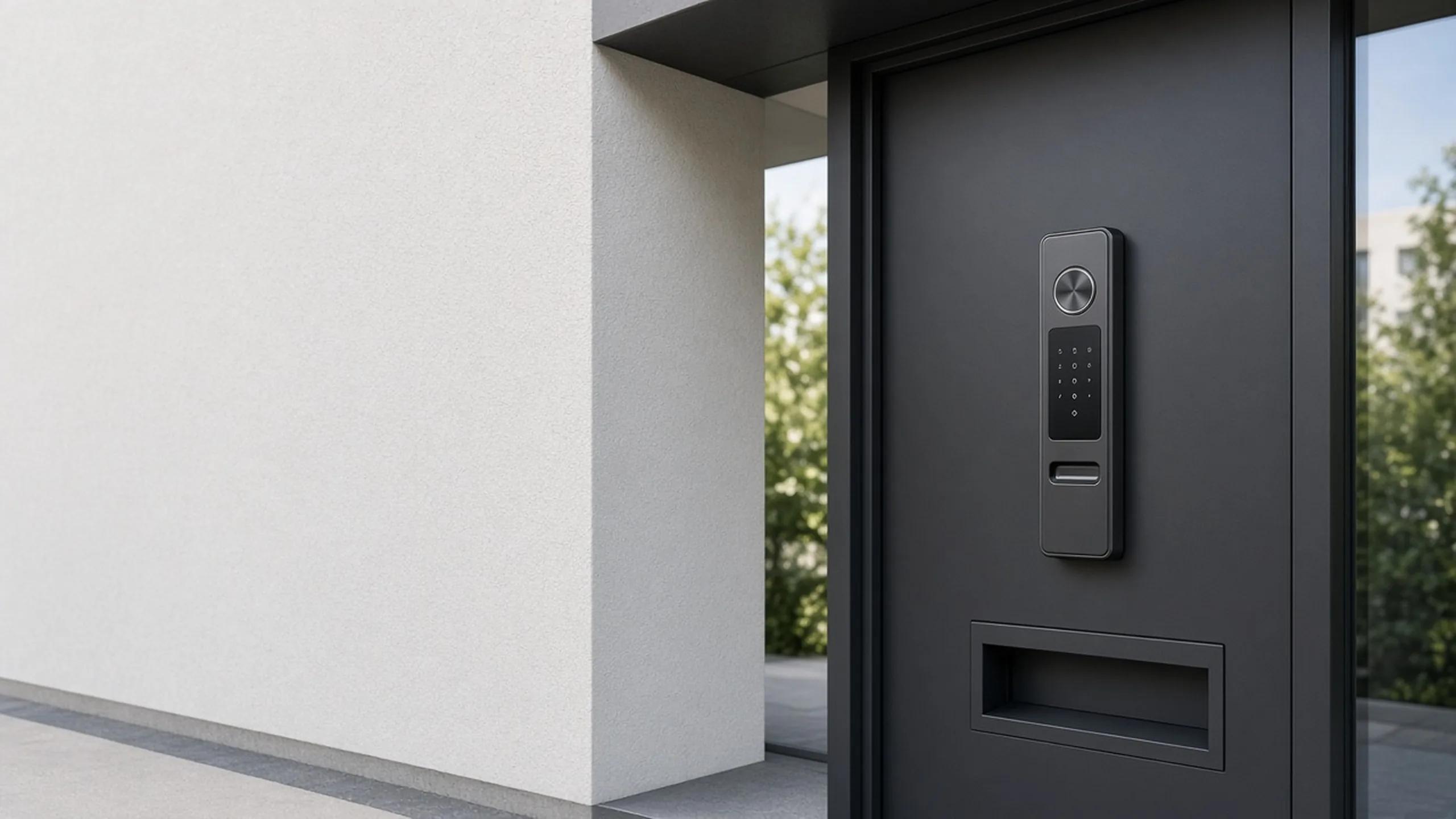
Create, change and expire supported permissions according to approved tenancy events. Confirm how updates reach each lock or controller, particularly when equipment is intermittently connected.
KEYPLUS · Solutions
Coordinate resident access, contractor visits, unit conditions, safety events and portfolio operations across rental properties. KEYPLUS connects suitable field systems with a shared operating context so teams can manage the complete tenancy lifecycle more consistently.
Rental operations extend from leasing and move-in through maintenance, renewal and move-out. Properties may be geographically distributed and have limited on-site staffing. The solution therefore needs dependable permission lifecycles, practical exception handling and a clear distinction between remote insight and work that still requires a site visit.
Create, change and expire supported permissions according to approved tenancy events. Confirm how updates reach each lock or controller, particularly when equipment is intermittently connected.
Issue time-bounded access for maintenance, cleaning or inspections and retain the available activity record. Visitor and contractor workflows should expose only the information required for the task.
Route supported leak, environmental or device-health events to the responsible team. Analytics may highlight repeated conditions, while physical verification remains necessary where the evidence is incomplete.
Organize open events, device concerns and recurring service patterns by building, unit and responsible team. Portfolio views should help prioritize work rather than promise that every issue can be resolved remotely.
The solution may include smart locks, common-area access, intercoms, selected public-area video, unit sensors, water or energy metering, gateways, alarms and resident or operator interfaces. Integrations with approved property systems are scoped around leasing, service and access outcomes.
An approved tenancy creates the required access period
the resident receives a supported credential
shared and unit permissions follow the agreed policy
a maintenance visit receives limited access
move-out expires rights and records the required handover checks. Offline delivery and revocation timing are tested explicitly.
Apply the approach to build-to-rent properties, multifamily portfolios, co-living operations, student-oriented rentals and serviced residences. Unit turnover, staffing, shared amenities and resident experience priorities will shape the final system mix.
Map the tenancy and service lifecycle
survey unit and common-area hardware
confirm property-system interfaces
pilot occupied, vacant and maintenance conditions
train central and local teams
expand building by building.
Yes, where the model and interface support the required credential, event and update workflow.
No. Mechanical work, connectivity issues and physical verification may still require local service.
The identity, role and data-boundary design should be defined and validated for the operating model.
Share the property type, approximate scale, existing systems, deployment constraints and the operating problem you want to solve first.