
Manage the complete permission lifecycle
The credential lifecycle covers creation, authorization, issuance, verification, changes, expiry or revocation, and review, linked to the approved identity source and business process.
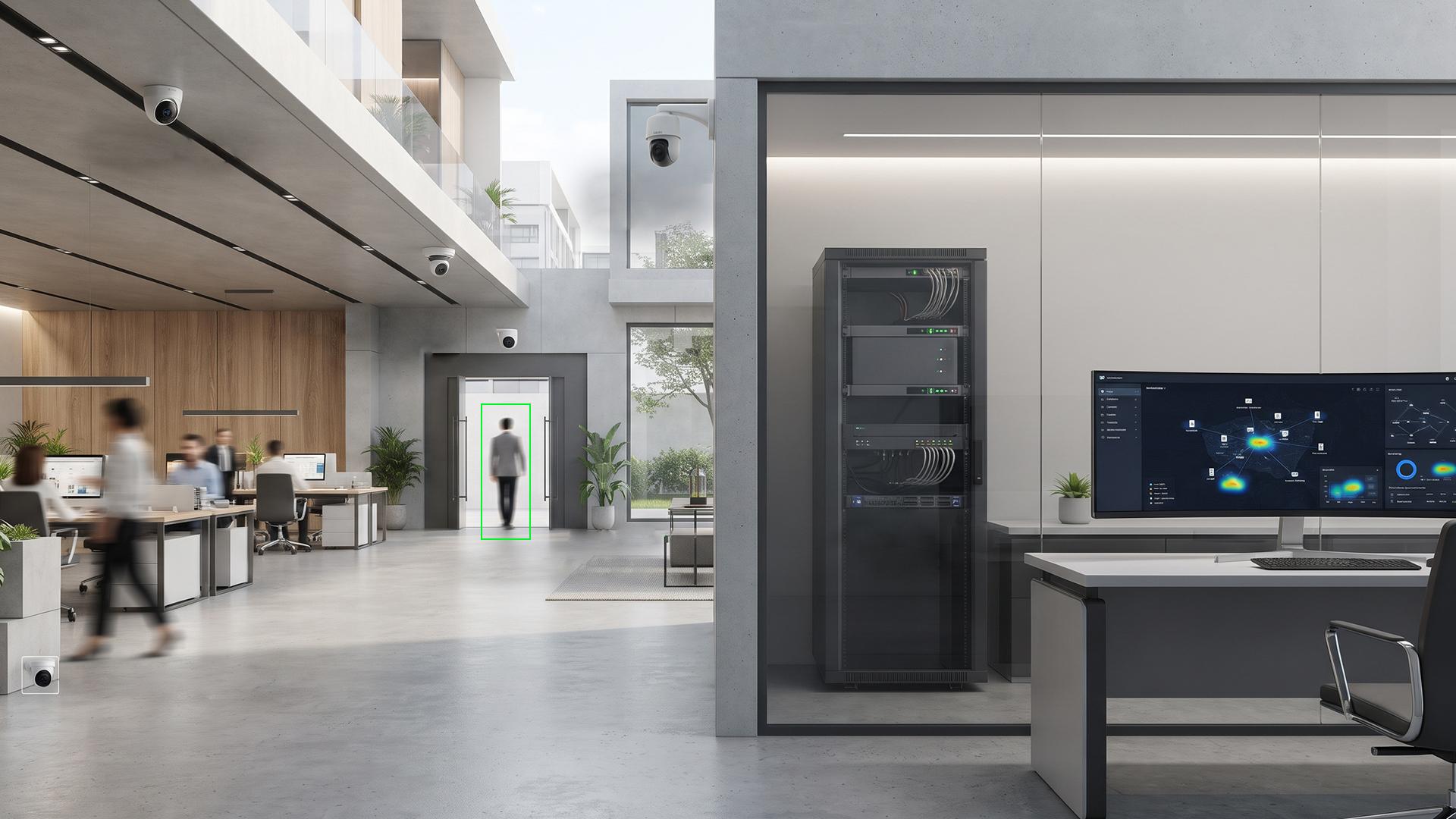
KEYPLUS · Systems
Connect approved identities and credentials to the right doors, areas and permission periods. KEYPLUS brings smart locks, readers, controllers and related interfaces into a complete access lifecycle for guests, residents, staff, visitors and contractors.
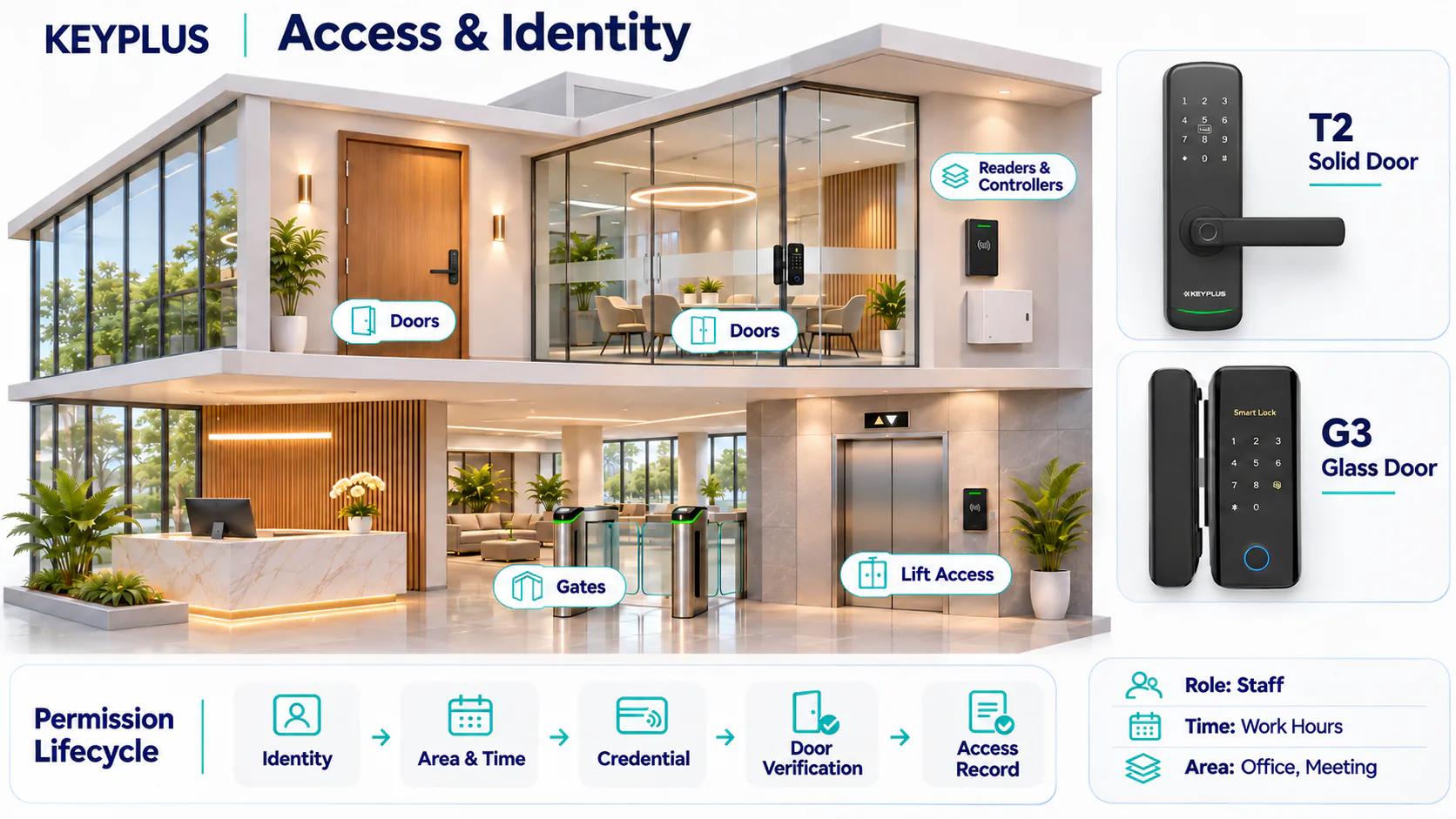
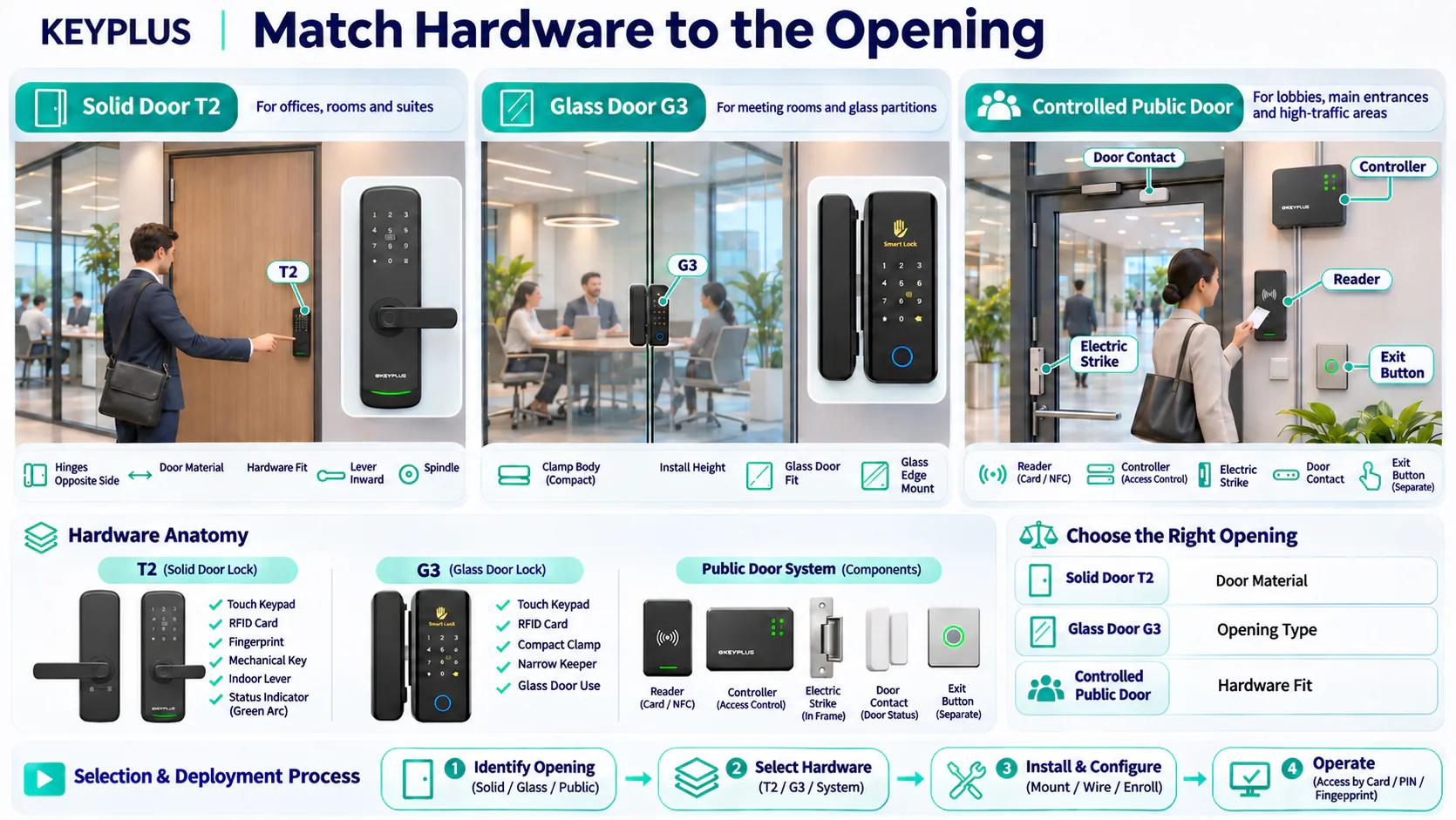
The access experience depends on the door as well as the credential. Hardware dimensions, power, wiring and connectivity connect the user’s preferred entry method with the physical opening.
Identity, permission and credential play different roles in access. Together with readers, locks and controllers, they connect eligibility and time limits with the action at the door and the available activity record.
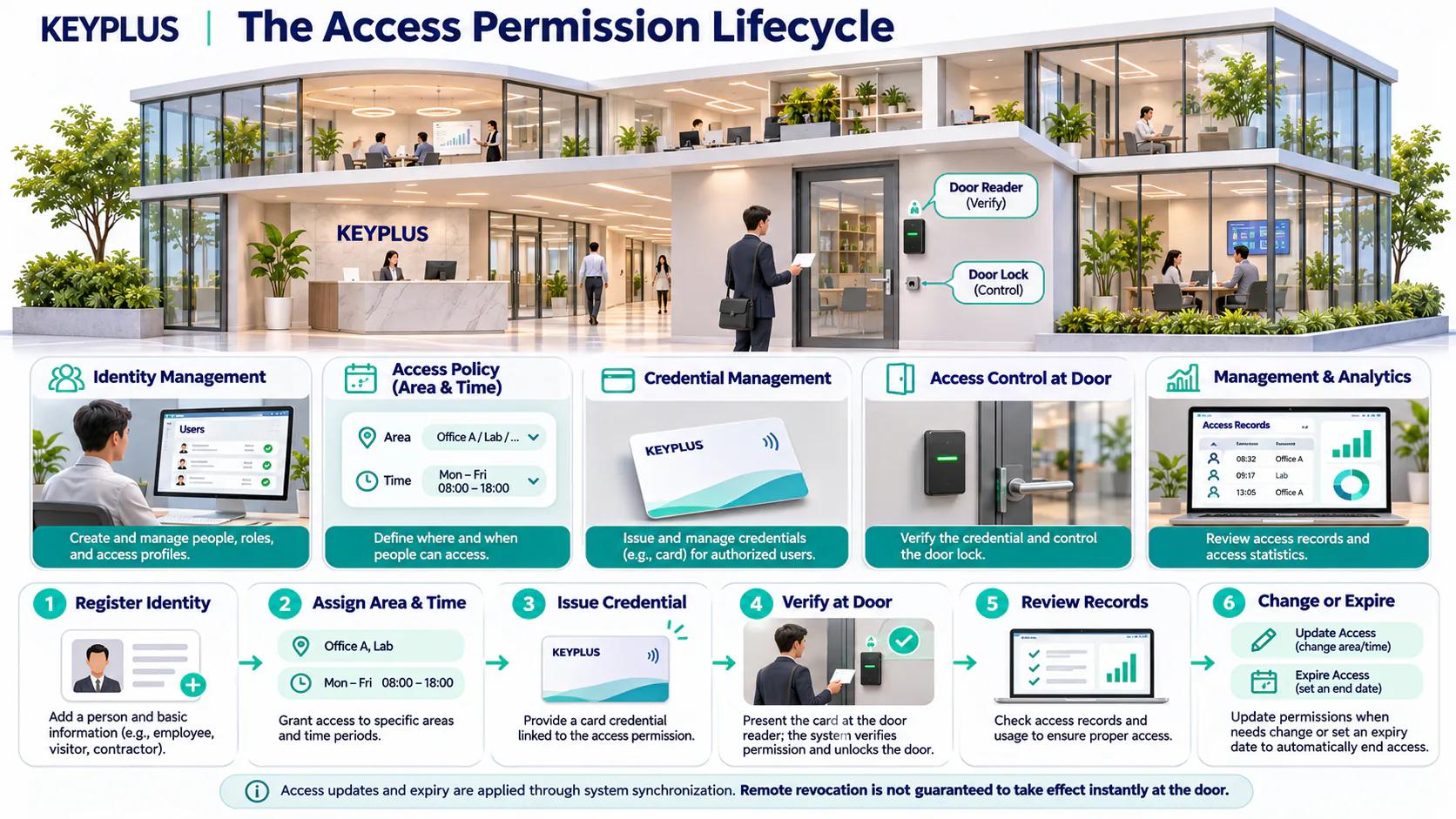
The credential lifecycle covers creation, authorization, issuance, verification, changes, expiry or revocation, and review, linked to the approved identity source and business process.
Suitable locks, wired access, gates and elevator interfaces bring different controlled points into the access system, alongside the local door-hardware and life-safety design.
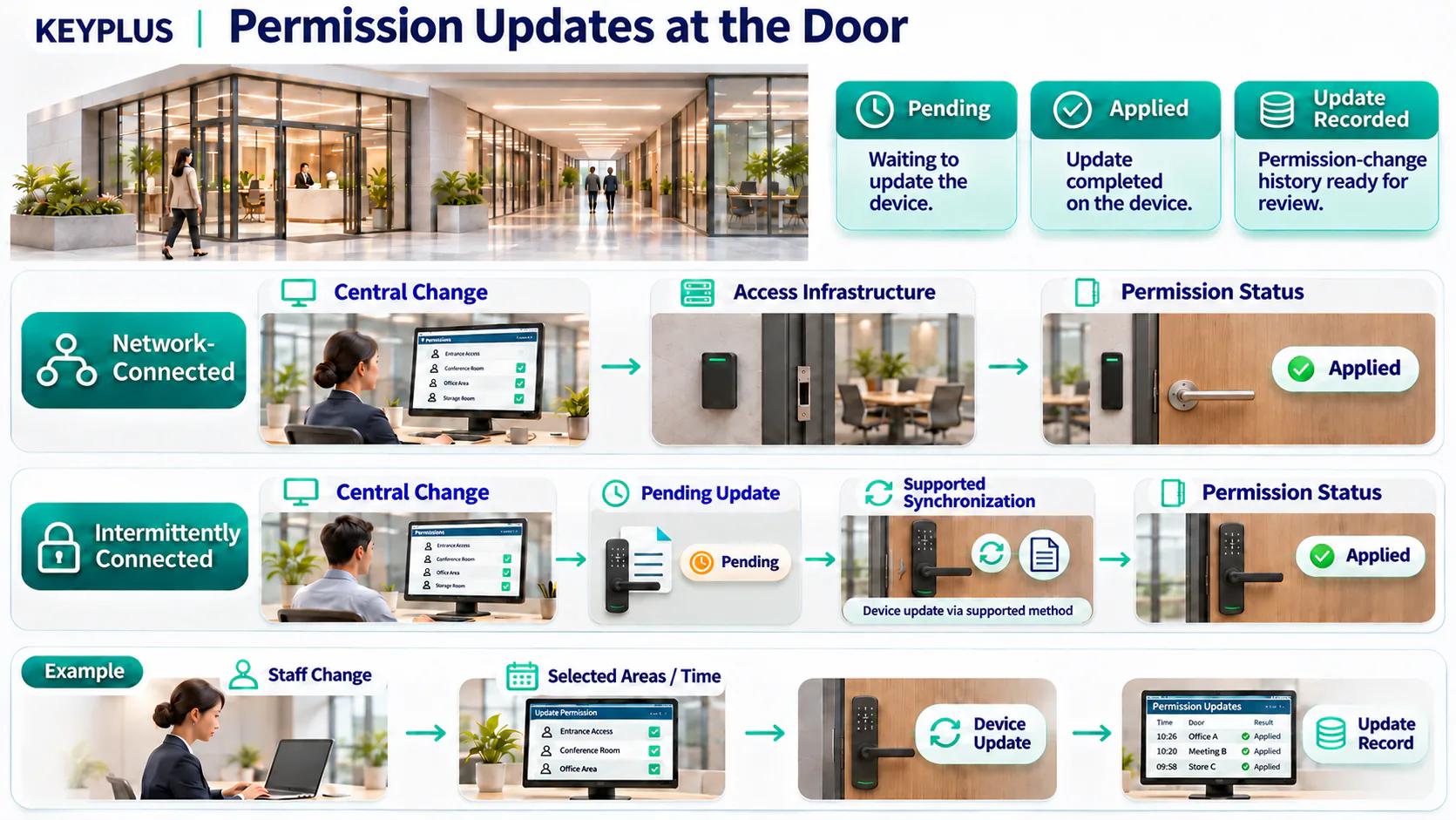
Online controllers and intermittently connected locks use their supported paths for credential updates, revocation and event transfer, with distinct update timing and unavailable-connection behaviour.
Daily issuance, security review, technical maintenance and policy administration have separate roles, limiting each user’s information and actions to their responsibilities.
The access chain can combine smart locks, electronic cylinders, RFID, QR or mobile-capable readers, controllers, electric strikes, magnetic locks and compatible door hardware. Door contacts, exit devices, pedestrian gates, intercoms, lift interfaces and gateways complete different routes. Available functions follow the model, firmware and credential format.
Repeated access exceptions and permission patterns become easier to understand when identity, door, time and policy context are brought together. They support review without establishing a person’s intent.
An approved identity establishes eligibility
the administrator assigns spaces and periods
the supported credential is delivered
the device applies the permission
available access and exception records support review
role changes or expiry end the permission according to policy.
Online and offline devices follow different update paths. Expiry, pending changes and later synchronization connect central permissions with the state at the door, alongside the mechanical and backup-entry design.
Door and credential engineering connects the selected hardware with its users, permissions and local safety requirements. Commissioning covers normal entry, invalid credentials, expiry and recovery, with mechanical and emergency behaviour treated separately.
Hotels, rental homes, campuses and commercial properties have different identity sources and turnover patterns. The access design connects those operating needs with the supported devices and credentials.
Explore smart locks, controlled entry points, user interfaces and business-system connections across the credential lifecycle.
They can be evaluated together when both device families expose the required operations and status.
No. Mobile credentials are one option within the methods supported by the selected hardware and operating model.
Revocation timing follows the device’s connectivity and update behaviour; it is not identical across every opening.
No. Issuance is one part of the journey; the device-side permission, expiry and exception behaviour determine how that credential works at the door.
Talk to KEYPLUS about the doors, users and access experience your project needs. Hardware and workflow come together in a configuration around the site.