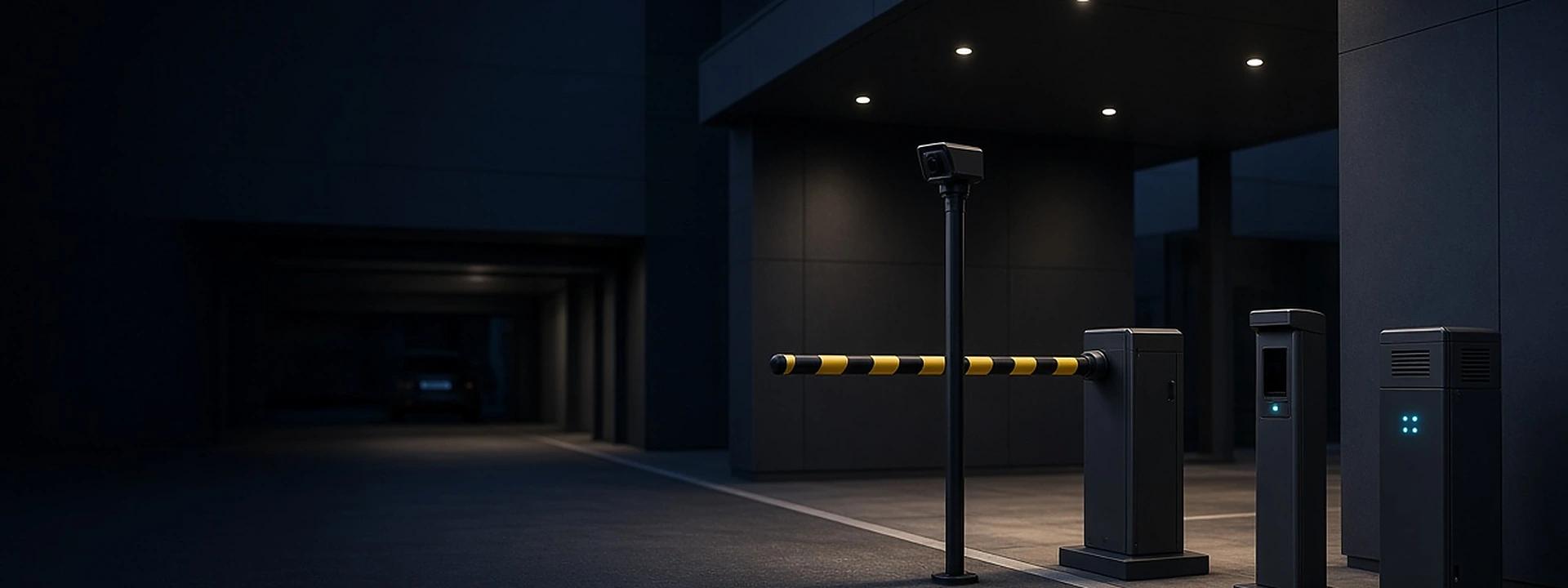
Parking-device family concept

KEYPLUS · Products

Parking Devices for Arrival, Entry and Space Awareness

KEYPLUS Parking Devices connect vehicle recognition, access decisions, visitor handling, barrier control and space awareness into a smoother arrival experience. The portfolio helps properties reduce fragmented lane equipment, improve exception handling and create better operational visibility from the entrance to the parking space.

Build the lane and parking area as a coordinated system

LPR cameras and integrated terminals

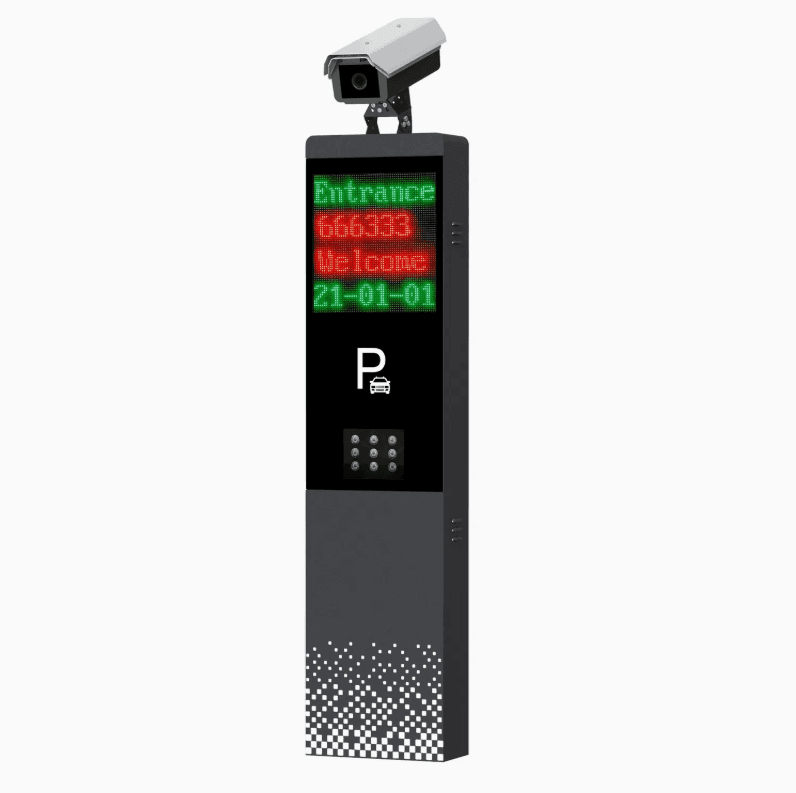
LPR cameras and all-in-one terminals capture plates under supported distance, angle, speed, lighting and regional conditions. Integrated products may combine recognition, illumination, display or control interfaces in one lane device. Recognition produces a candidate plate value; the access policy decides whether it is authorized.
Barrier gates and gate controllers

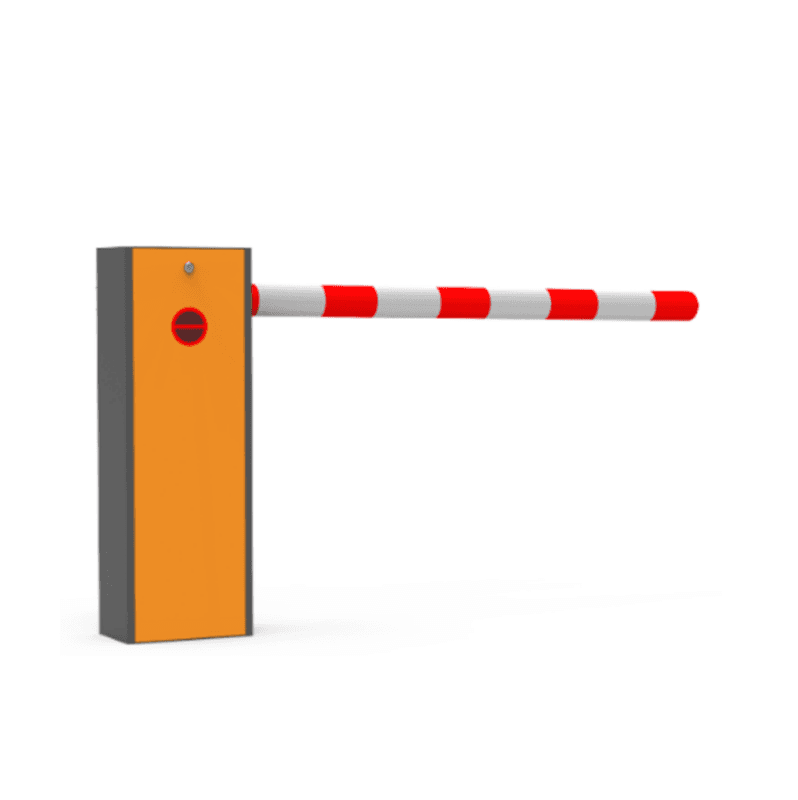
Commercial barrier gates, operators and controllers translate an approved decision into vehicle movement. Select boom type and length, duty cycle, opening speed, motor, cabinet, safety inputs, emergency release and installation environment as one lane system.

Parking-access controllers

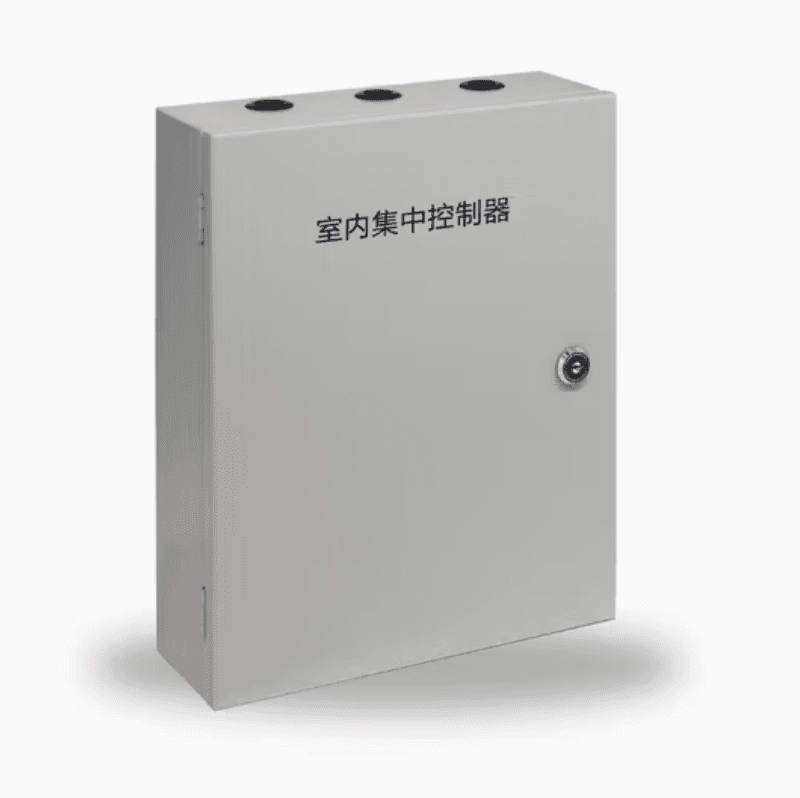
Controllers coordinate supported vehicle credentials, records, loops or sensors, gate commands and events. Capacity, interfaces, offline behavior and integration responsibility should match the parking operation.

Vehicle credential readers

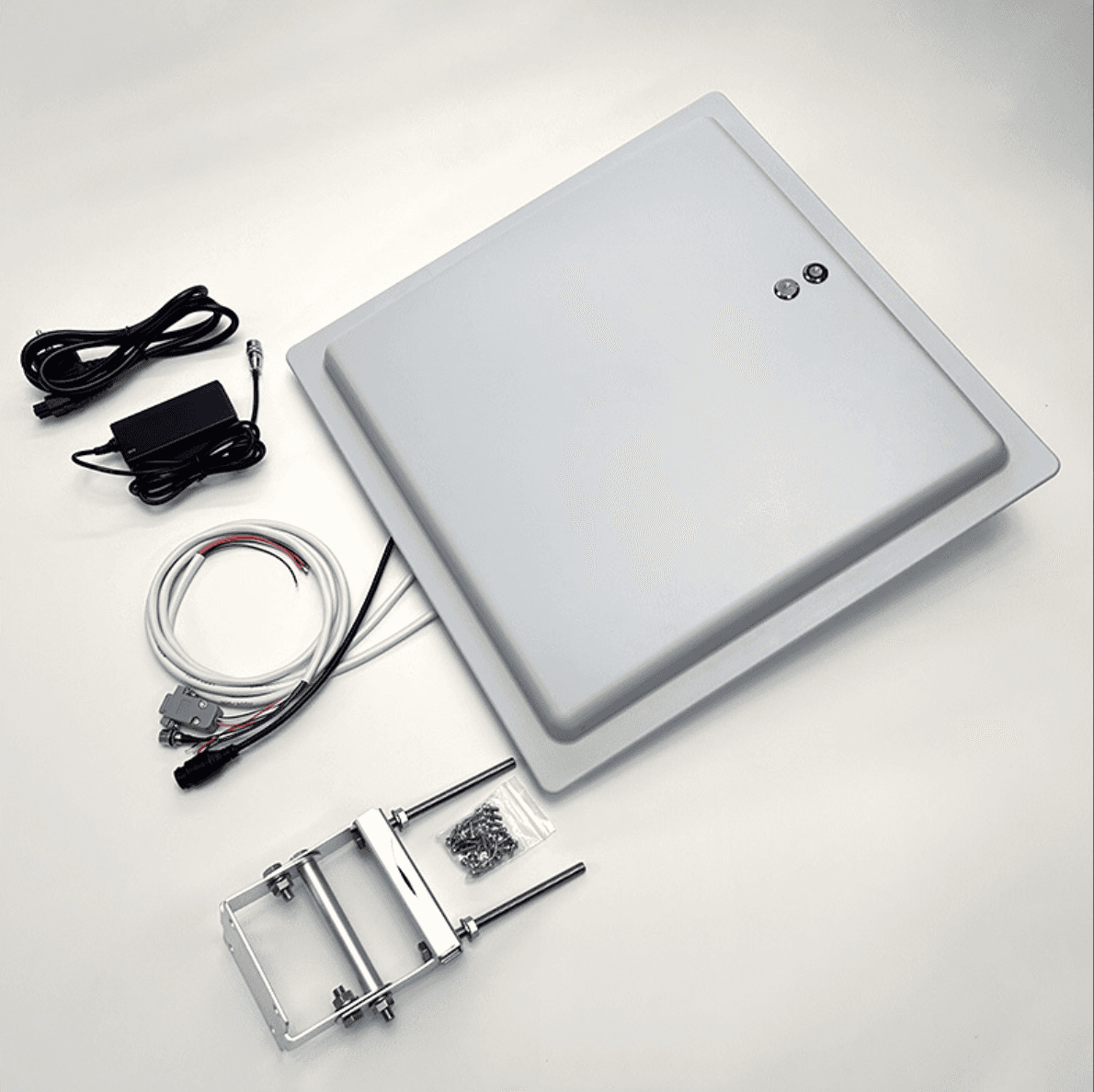
Long-range UHF, card or other supported readers provide an alternative or complementary vehicle credential. Read distance, tag position, lane separation, interference and fallback handling require field evaluation.

Ticketing and visitor terminals

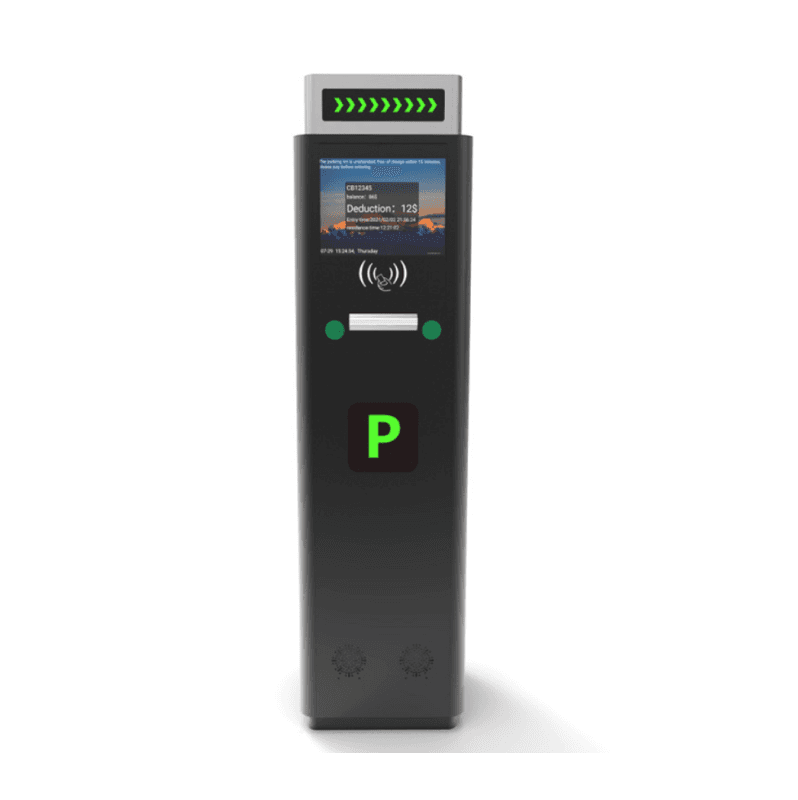
Ticket boxes and visitor terminals support transient vehicles, registered guests and assisted entry. The chosen workflow should cover ticket or credential issuance, validation, intercom or assistance, exceptions and exit.

Parking guidance and space detection

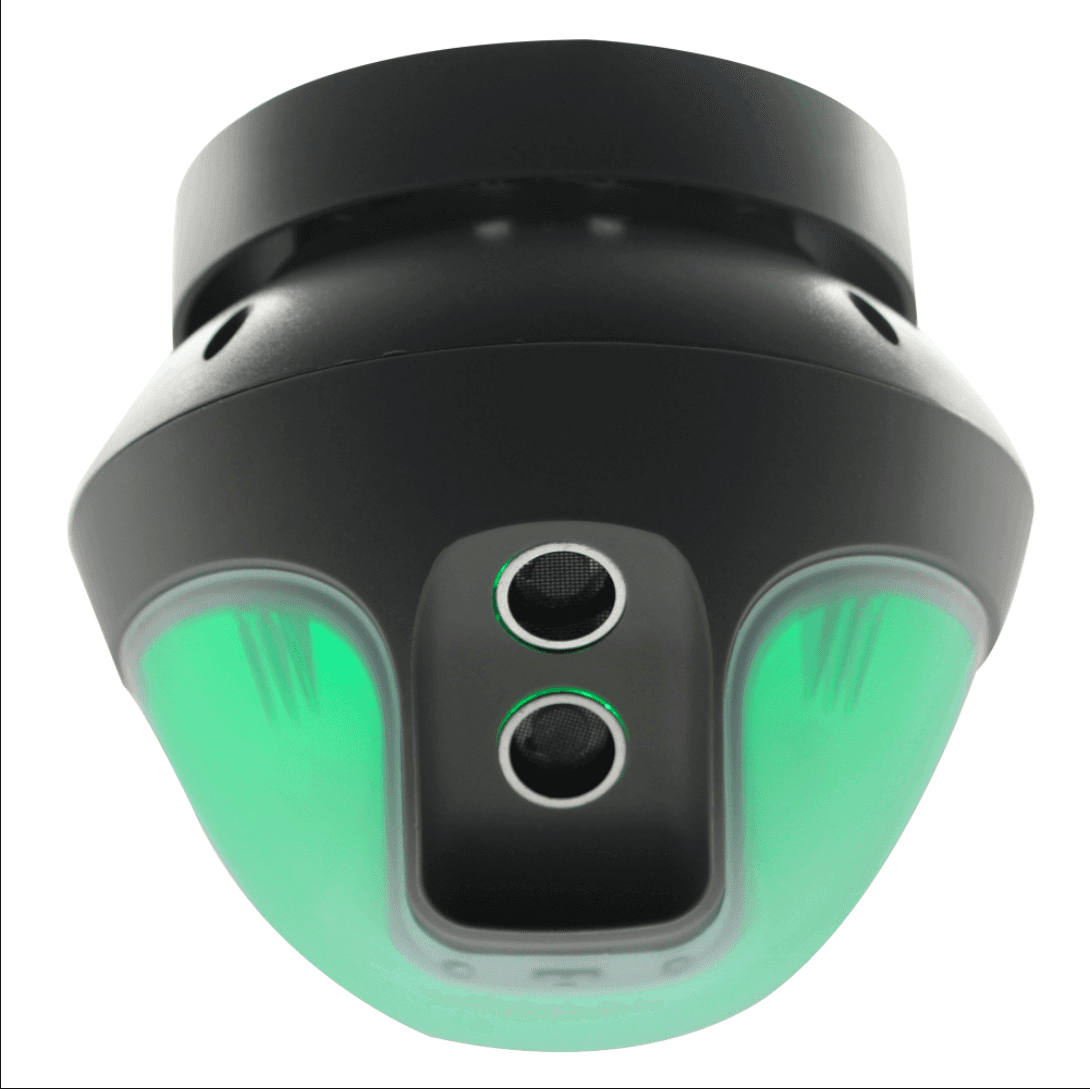
Ultrasonic or other supported parking-space sensors indicate occupancy, while guidance controllers and displays can convert field status into zone or route information. Stall mapping, communications, update time and maintenance access determine the usefulness of the result.

Survey the lane before selecting devices

Record lane width, vehicle approach, stopping point, camera position, plate formats, day and night lighting, weather, network, power, gate cycle and the route for pedestrians or motorcycles. Define how unknown, unreadable, duplicate or unauthorized vehicles are handled without blocking safe operation.

For space sensors, map stall geometry, mounting, communications, maintenance access and the use of occupancy data. A space indication should support guidance or analysis without being treated as an infallible record.

Connect vehicle identity with appropriate context

Parking devices may connect to visitor, tenant, hotel or access workflows where interfaces and responsibility are defined. The Parking system page covers authorization, exceptions and operations. Platform analytics may summarize trends or recurring issues, while the control system retains authority for entry and safety behavior.

A more connected parking journey

  • Cover the lane from recognition to control. Coordinate LPR, credentials, access logic, visitor interaction and barrier equipment.
  • Support more arrival paths. Build appropriate workflows for tenants, staff, guests, deliveries and exceptions using selected devices.
  • Extend visibility beyond the gate. Parking-space sensing and platform context can support guidance, utilization analysis and operations.
  • Integrate parking with the property. Evaluated interfaces can connect vehicle access with visitor, hotel, tenant or wider access workflows.

Browse parking-device models

مرشح المنتج

ابحث عن الأجهزة حسب الفئة والسيناريو واحتياجات التكامل

خيارات التصفية
حدد خيارات التصفية
طلب عرض أسعار مع المرشحات الحالية

عرض 6 من 6 من المنتجات المطابقة لمعاييرك الحالية.

Parking-device questions

Will an LPR camera recognize every plate?

No. Performance varies with plate design, image quality, angle, speed, glare, dirt, weather and model support. Evaluate representative traffic and define a fallback.

Can a barrier open directly from a recognition result?

The recommended chain separates recognition, authorization, safety inputs and gate control. Exact behavior must be designed and tested for the lane.

How should visitors enter?

Options may include pre-registration, QR or card credentials, plate registration, a terminal or operator assistance. Choose a path that fits the property and privacy policy.

Can parking-space sensors support navigation?

Supported occupancy data can feed a compatible guidance or platform workflow after coverage, latency, accuracy and mapping are verified.

Review one representative lane

Send a lane drawing, traffic pattern, plate region, gate equipment, visitor process and network conditions. KEYPLUS can help shortlist the devices for a controlled field test.

Request a Parking Device Review