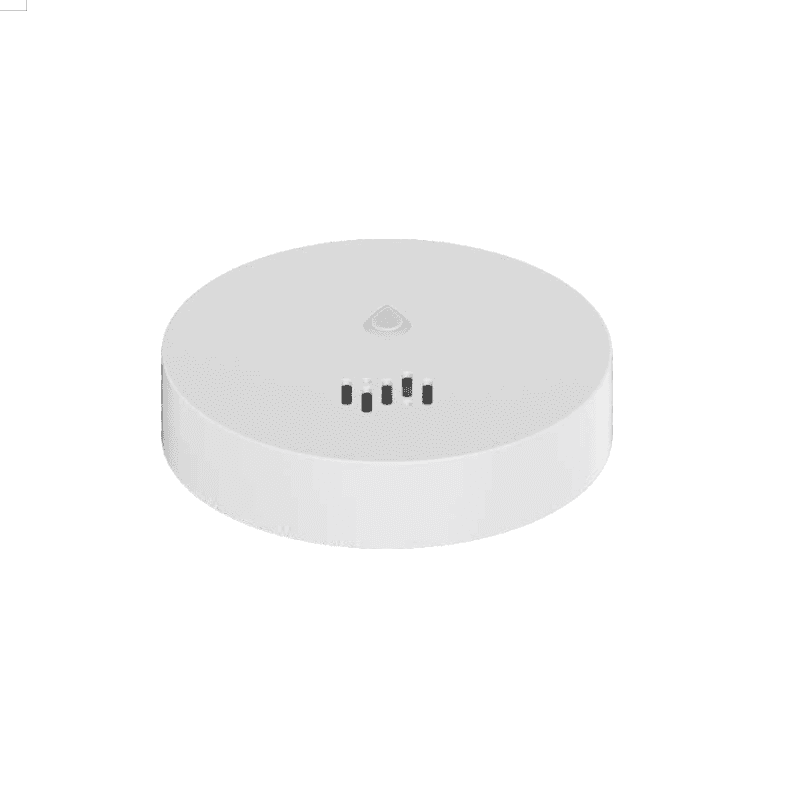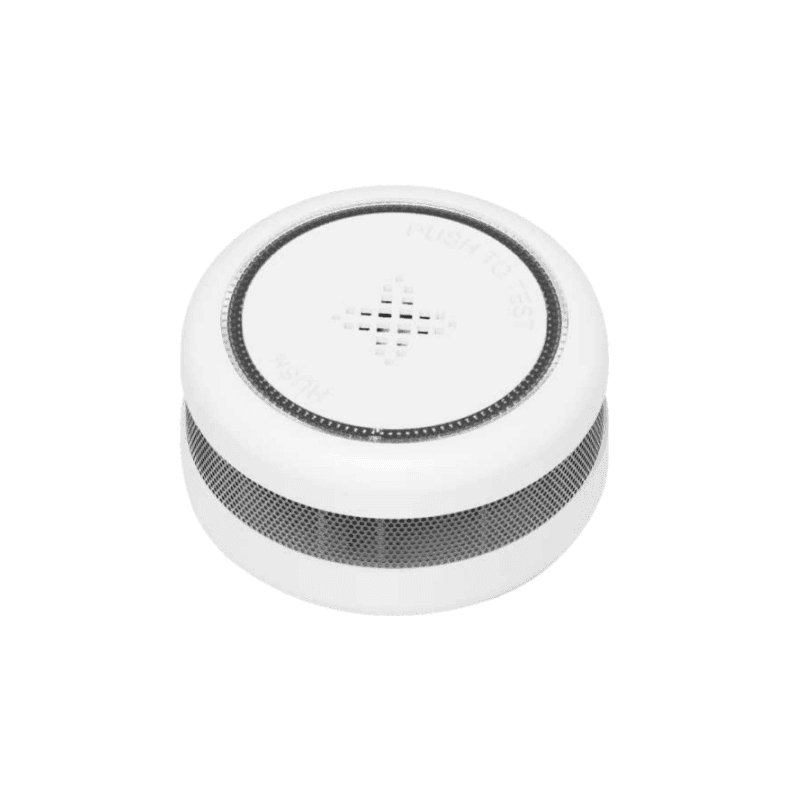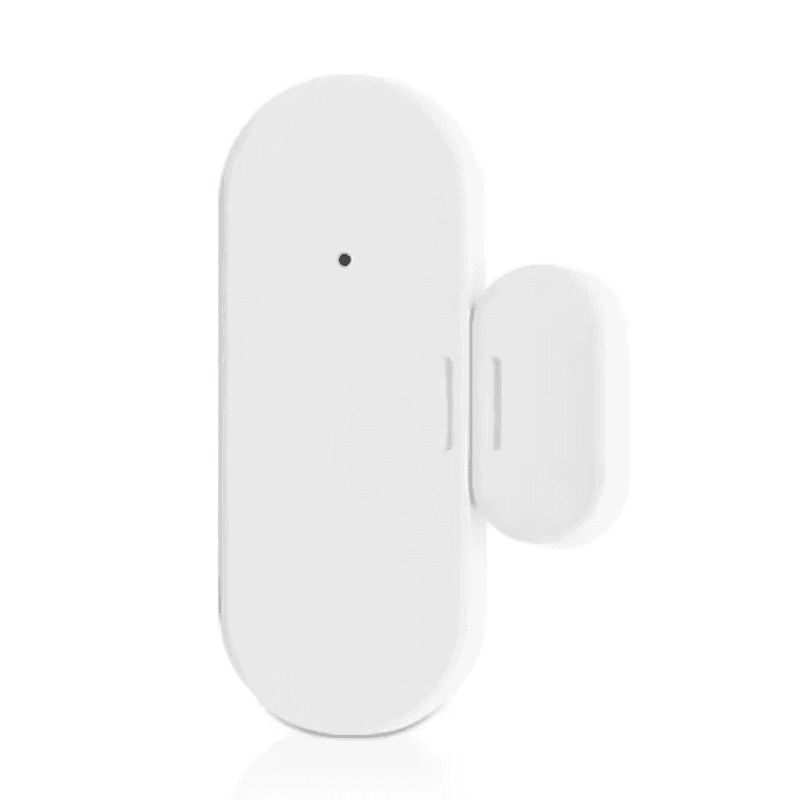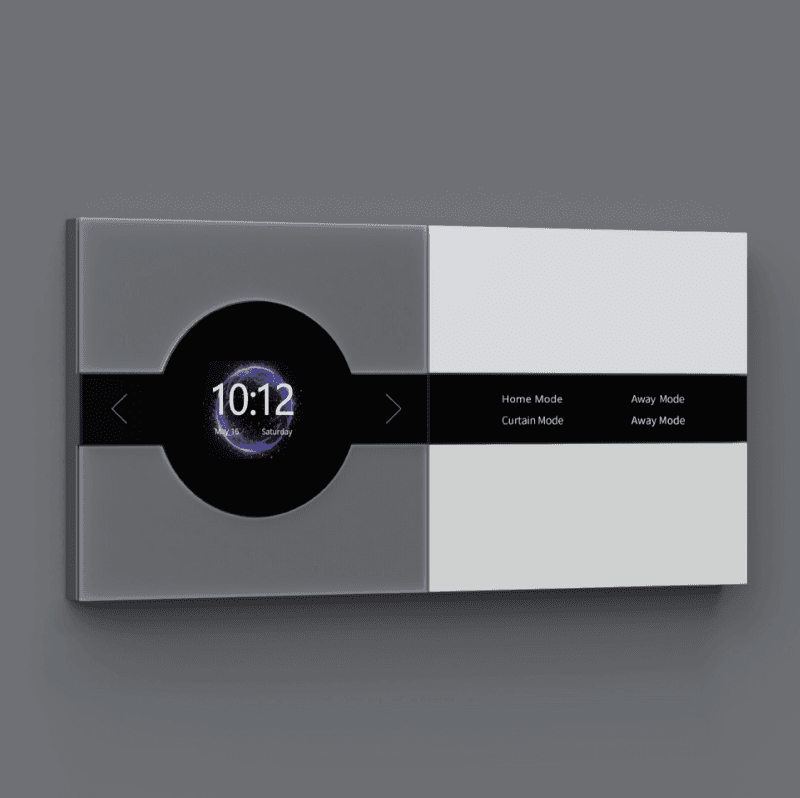
Sensor and control family concept

KEYPLUS · Products

Sensors, Alarms & Control for Conditions That Matter

KEYPLUS Sensors, Alarms & Control products help spaces detect meaningful conditions, bring attention to what matters and support a defined response. The portfolio connects state, presence, environmental and safety-related sensing with manual alarm inputs, audible or visual notification, gateways and approved control—giving operators earlier visibility and a practical foundation for accountable action.

Match the sensor to the physical condition

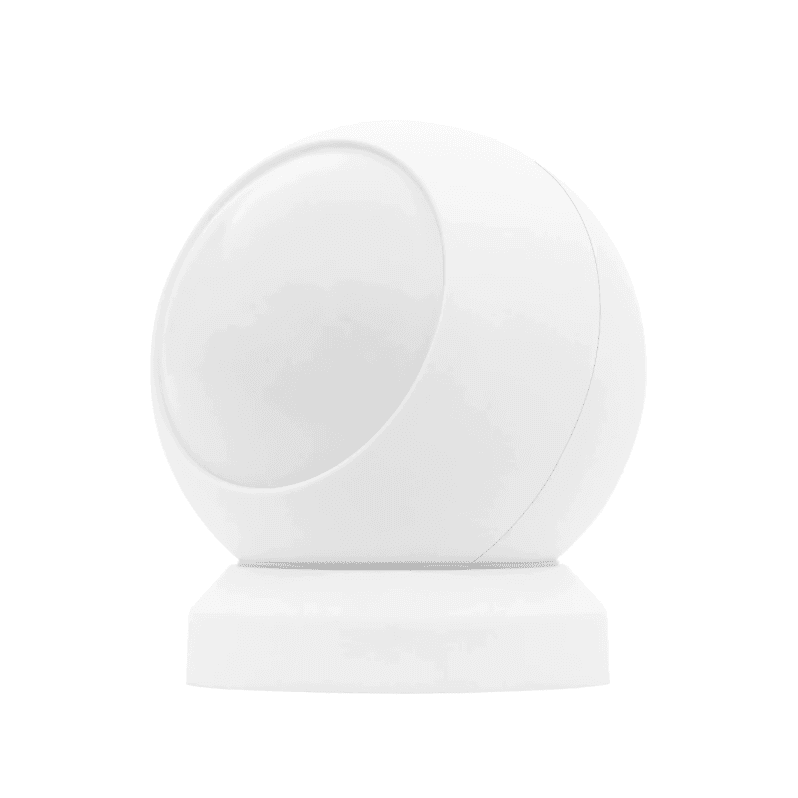
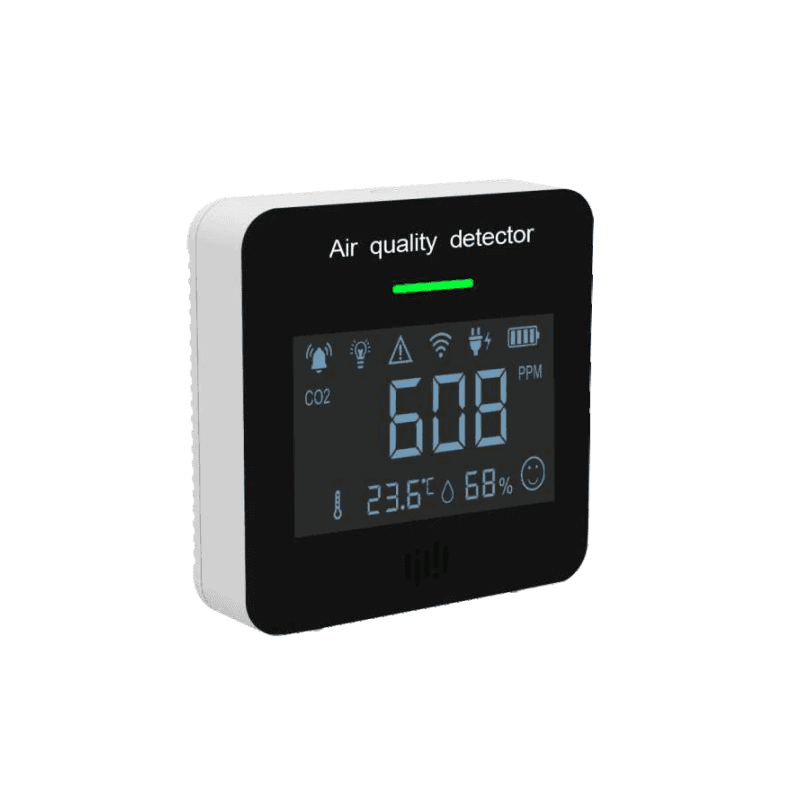
Door sensors indicate open or closed state where the mounting and alignment remain stable. PIR and presence sensors address different occupancy signals; coverage, movement patterns and privacy expectations influence the choice. Temperature and humidity sensors support comfort, storage or facility monitoring when placed away from misleading heat, airflow or moisture sources.

Water-leak sensors belong near credible leak paths with a tested inspection response. Smoke and gas detectors require special care: product approval, placement, testing and local code determine whether a device is suitable. General IoT connectivity does not make a device a replacement for a required certified life-safety system.

Relays provide dry-contact or powered control according to the exact model and load. Scene switches give occupants or staff a simple way to request predefined room actions.

Alarm buttons and call points

Manual alarm buttons give occupants or staff a direct way to raise a defined assistance, security or facility alert. Button type, location, reset method, tamper protection, accessibility and the response team must match the intended use. General IoT alarm buttons must not be represented as certified fire call points unless the exact product and system carry the required approval.
Sirens, sounders and visual alarm devices

Audible and visual devices help bring attention to a confirmed or configured event. Selection should consider sound level, flash visibility, indoor or outdoor environment, power, communication, zoning and the needs of people who may not perceive one notification method.

Alarm hosts and gateways

An alarm host or gateway can receive compatible sensor and button signals, apply supported local logic and pass events to an alarm or platform workflow. Device capacity, communication paths, backup power, event buffering, supervision and behavior during network loss should be verified for the selected model.

A sensing point needs an owner

For every point, define normal state, alarm or threshold, reporting interval, local indication, battery or power plan, communication path and the person responsible for response. Define which events remain informational, which require an audible or visual alarm and which must be escalated to a dedicated system or emergency process. A sensor that produces messages without ownership can add noise rather than awareness.

Where a relay or controller can change physical equipment, document permitted actions, interlocks, manual override, failure state and confirmation. High-risk or regulated actions should remain within the appropriate dedicated control and safety design.

Connectivity and maintenance

Available products may use supported wireless or wired methods through a gateway or controller. Range, building materials, interference, message intervals and battery life should be evaluated at the site. Maintenance includes battery replacement, cleaning, calibration where applicable, periodic functional tests and records of disabled or missing devices.

From detection to attention and action

  • Broad condition coverage. Bring doors, occupants, comfort, leaks and selected safety-related conditions into a coordinated sensing strategy.
  • More ways to call attention. Add manual alarm buttons, sounders, strobes and supported alarm hosts so the right people can see or hear defined events.
  • From detection to responsible action. Pair sensors with gateways, alerts, relays or scene control where the workflow and safeguards are defined.
  • A better foundation for automation. Reliable field states give room control, energy analysis and platform intelligence stronger context.
  • Flexible project entry. Deploy a focused sensor use case first, then extend coverage as connectivity and operating value are proven.

Browse sensor, alarm and control models

Filtro de producto

Encuentre hardware por categoría, escenario y necesidad de integración

Opciones de filtro
Seleccionar opciones de filtro
Solicitar cotización con filtros actuales

Mostrando 6 de 8 productos que coinciden con sus criterios actuales.

Sensor and alarm questions

Is a PIR sensor the same as a presence sensor?

No. Technologies and sensitivity to still or moving occupants can differ. Select and test against the room behavior you need to observe.

Can a leak sensor automatically close a valve?

A supported sensor, controller and actuator workflow may be designed, but power, communications, safe failure, manual override and action confirmation must be verified.

Can an IoT smoke detector replace the building fire-alarm system?

Do not assume so. Compliance depends on certified products, system design and local requirements. Keep required life-safety authority independent.

Can a sensor directly activate a siren or strobe?

A compatible sensor, alarm host, output device and configured rule may support local activation. Verify communication, delay, zoning, acknowledgement, silencing, reset, backup power and the required behavior if the network is unavailable.

Are alarm buttons suitable for emergency or duress use?

Only when the exact device, communication path, supervision, response procedure and applicable approval meet that purpose. A general-purpose IoT button should not be promoted as a life-safety or duress device without supporting evidence.

How many gateways are required?

That depends on protocol, building construction, distance, interference, device count and required resilience. A site survey or pilot provides better evidence than a nominal range alone.

Start with a condition-response table

List each location, condition, required notification and responsible action. KEYPLUS can help map suitable sensors, alarm devices, connectivity and control products for evaluation.

Request a Sensor Point Review