
Identify the arriving vehicle
Use suitable plate recognition, UHF or another supported method for the lane and user population, with an attended process for uncertain results.
KEYPLUS · Systems
Coordinate vehicle identification, authorization, lane equipment and entry exceptions as part of the wider site-access plan. KEYPLUS scopes compatible recognition devices, readers, detectors and barrier interfaces around a safe and testable vehicle journey.
Recognition and authorization are different responsibilities. Reading a plate or credential creates a candidate identifier; the access policy determines whether entry is permitted. Lane geometry, lighting, vehicle speed, plate formats, tailgating risk and barrier safety shape the system design.
Use suitable plate recognition, UHF or another supported method for the lane and user population, with an attended process for uncertain results.
Check the identifier against the valid site, lane, time and related user or visitor entitlement before requesting a barrier action.
Coordinate supported barrier commands, position or safety feedback, vehicle detection, signals and intercom communication without replacing local safety functions.
Give operators the context and controls needed for unreadable plates, unexpected arrivals, revoked appointments and device outages.
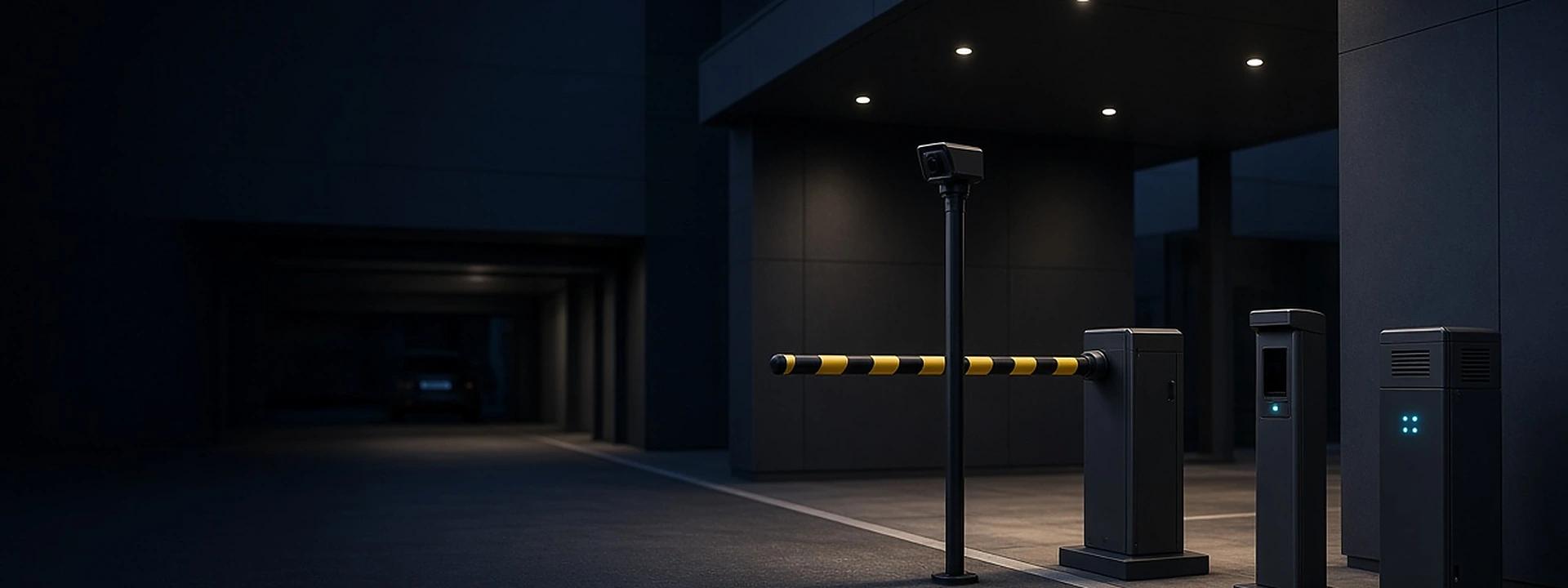
The field system may include ANPR cameras, UHF readers and tags, barrier gates and controllers, loop or radar detectors, traffic signals, intercoms and selected occupancy sensors. Payment, bay guidance and EV charging are separate functions that require their own scope and interfaces.
Recognition AI can estimate a plate or selected vehicle attribute and assign confidence. Analytics may highlight repeated denials, queue conditions or unusual lane patterns. Low-confidence results require review, and recognition alone never grants permission.
A visitor appointment includes an approved vehicle identifier
the vehicle reaches the designated lane
the recognition result is compared with the valid site and time
the supported barrier request is issued
available state feedback confirms the lane event
ambiguity follows the attended process.
Survey approach distance, lane width, angles, lighting and network; review local barrier safety; and test representative plates, speeds, weather, following vehicles, manual override and device failure. Acceptance should distinguish recognition accuracy, authorization logic and physical barrier behavior.
Residential properties, campuses, offices, hospitals, hotels, logistics entrances and mixed-use sites require different visitor processes, security levels and traffic capacity. Define whether the objective is access control, parking operation or both.
No. It is a recognition result with scene-dependent confidence.
Only after reviewing command, feedback and local safety behavior.
Payment and tariff processes require a separate scope.
Share the site type, operating responsibility, approximate scale, existing equipment, required interfaces and the event or action the system must handle.