

Access-control family concept

KEYPLUS · Products

Access Control Devices for Managed Entrances

KEYPLUS access-control devices create a confident journey from identity to physical passage. Readers, recognition terminals, turnstiles, pedestrian gates, door controllers, elevator controllers and supporting devices can be assembled around one access strategy—helping projects deliver faster entry, more orderly people flow and a stronger foundation for connected security operations.

Build the access point as a complete chain

Readers and recognition terminals

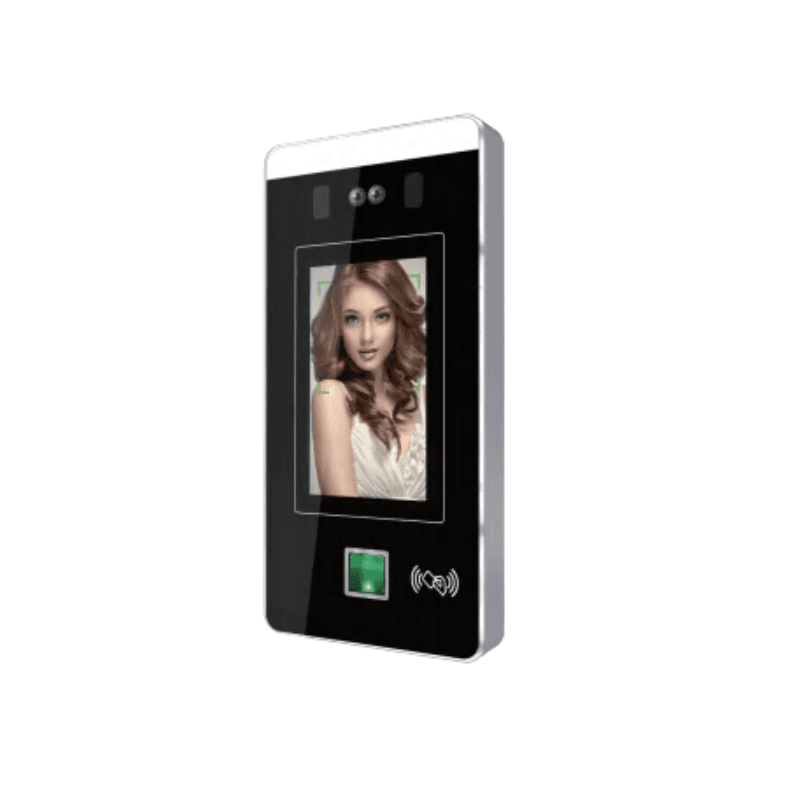
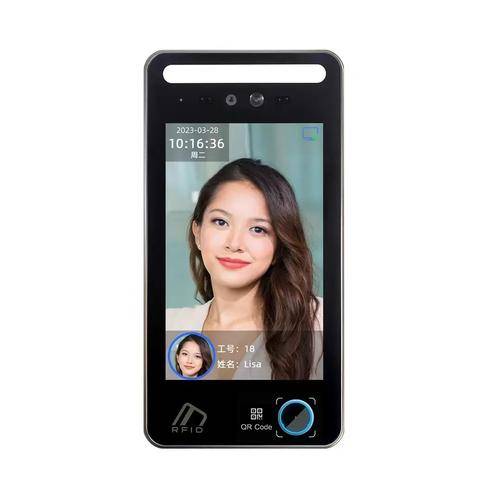
Card and QR readers present a familiar interaction at the entrance. Facial-recognition terminals may support selected touch-free workflows where law, policy, enrollment quality and the specific product allow. A recognition result is still part of an access decision; it should not be treated as proof of intent or wider identity.
Access controllers

Controllers coordinate credentials, inputs, locks and events for the supported number and type of doors. Check processing location, offline behavior, storage, communication, input/output capacity and enclosure needs.

Elevator controllers

Elevator access can limit approved floors or connect a destination workflow. Car and floor architecture, fire and emergency modes, lift-vendor interfaces and commissioning ownership require joint review.

Turnstiles and pedestrian gates

Turnstiles translate an access decision into orderly physical passage at lobbies, campuses, workplaces, transport-linked facilities and controlled public entrances. The KEYPLUS range can include speed gates, swing gates, tripod turnstiles, flap barriers and wider accessible lanes for different levels of throughput, architectural finish and supervision.

Speed and swing gates can create a refined, high-flow entrance experience for reception and premium commercial environments. Tripod turnstiles offer a robust, space-conscious option for managed staff, campus and facility access. Flap barriers support fast bidirectional passage in compatible indoor settings, while wider swing lanes can serve wheelchair users, visitors with luggage and service movements.

The selected gate must coordinate authorization, presence and safety sensing, passage direction, anti-tailgating behavior where supported, emergency release and local supervision. A valid credential does not by itself confirm safe physical passage.

Exit buttons and power modules

Supporting hardware affects everyday reliability. Select exit devices, power supplies and backup arrangements with the lock load, local safety rules, cabling and failure mode in mind.

Questions to settle before choosing a model

Identify the credential source, number of users, enrollment process, access schedules, visitor path, anti-passback or interlock needs, required event history and response when a component is unavailable. For turnstiles, add expected peak flow, lane width, passage direction, accessible route, luggage or trolley use, safety-sensor coverage, supervision and emergency behavior. Also record door hardware, egress requirements, wiring distance, network availability and environmental exposure.

For biometric or video-enabled terminals, document the lawful purpose, retention policy, consent or notice requirements and an alternative path for people who cannot use the selected method.

From device to access operation

  1. The reader is one visible moment in a longer lifecycle: create identity

  2. approve rights

  3. present credential

  4. evaluate policy

  5. operate the door or floor

  6. record the result

  7. review exceptions

  8. revoke rights. The Access & Identity system page explains this wider chain. Platform analytics may help surface repeated exceptions, but authorization remains governed by the access system and project policy.

The KEYPLUS access-control advantage

  • A complete entrance chain. Combine readers, recognition terminals, controllers, elevator control and supporting devices around one access policy.
  • Access decisions translated into orderly passage. Add speed gates, swing gates, tripod turnstiles, flap barriers and accessible lanes according to flow, security and architectural needs.
  • Flexible identity experiences. Build the appropriate mix of card, QR, mobile or biometric interaction where supported by the selected model and project policy.
  • Connected operational context. Access events can contribute to wider video, alarm, visitor and platform workflows through evaluated interfaces.
  • Freedom to scale by access point. Begin with the required doors or floors, then expand using a documented architecture and consistent administration model.

Browse access-control models

产品筛选

按类别、应用场景和集成需求查找硬件产品

筛选条件
选择筛选条件
按当前筛选条件获取报价

显示符合您当前条件的 2 个产品(共 2 个)。

Access-control questions

Should I choose a reader or an all-in-one terminal?

It depends on where identity is evaluated, how many doors are involved, the required credential, processing and storage, and how the project manages failure and maintenance.

Can facial recognition be used everywhere?

No. Technical performance, privacy law, accessibility, customer policy and scene conditions all matter. Evaluate the precise use case and provide another authorized method where required.

Can access control connect to lifts, video or visitor systems?

Suitable interfaces can be evaluated by product, version and workflow. Define data and action ownership before implementation.

Which turnstile type is suitable for a building entrance?

Speed or swing gates often suit design-led lobbies and higher-flow entrances; tripod turnstiles suit robust controlled passage; flap barriers suit compatible indoor traffic; and a wider swing lane can provide an accessible route. Final selection depends on throughput, security level, opening width, supervision, emergency egress and architectural requirements.

What happens to a turnstile during a fire alarm or power failure?

Required behavior depends on the gate, life-safety design and local rules. Define and test the fire-alarm interface, fail-safe or release state, backup power, manual release and evacuation route with the responsible professionals.

What evidence is needed for approval?

Use current datasheets, wiring and installation drawings, interface documentation, certificates relevant to the target market, samples and an acceptance plan.

Specify one entrance before scaling

Share an access-point schedule and the intended identity workflow. We can help identify the reader, controller and supporting hardware for technical review.

Request an Access Hardware Review