The Door Profile Often Determines the Lock
Smart-lock projects frequently begin with features such as fingerprints, cards or mobile access. On slim aluminum doors, however, the first question should be physical fit. A standard residential lock body may be too wide for the available stile.
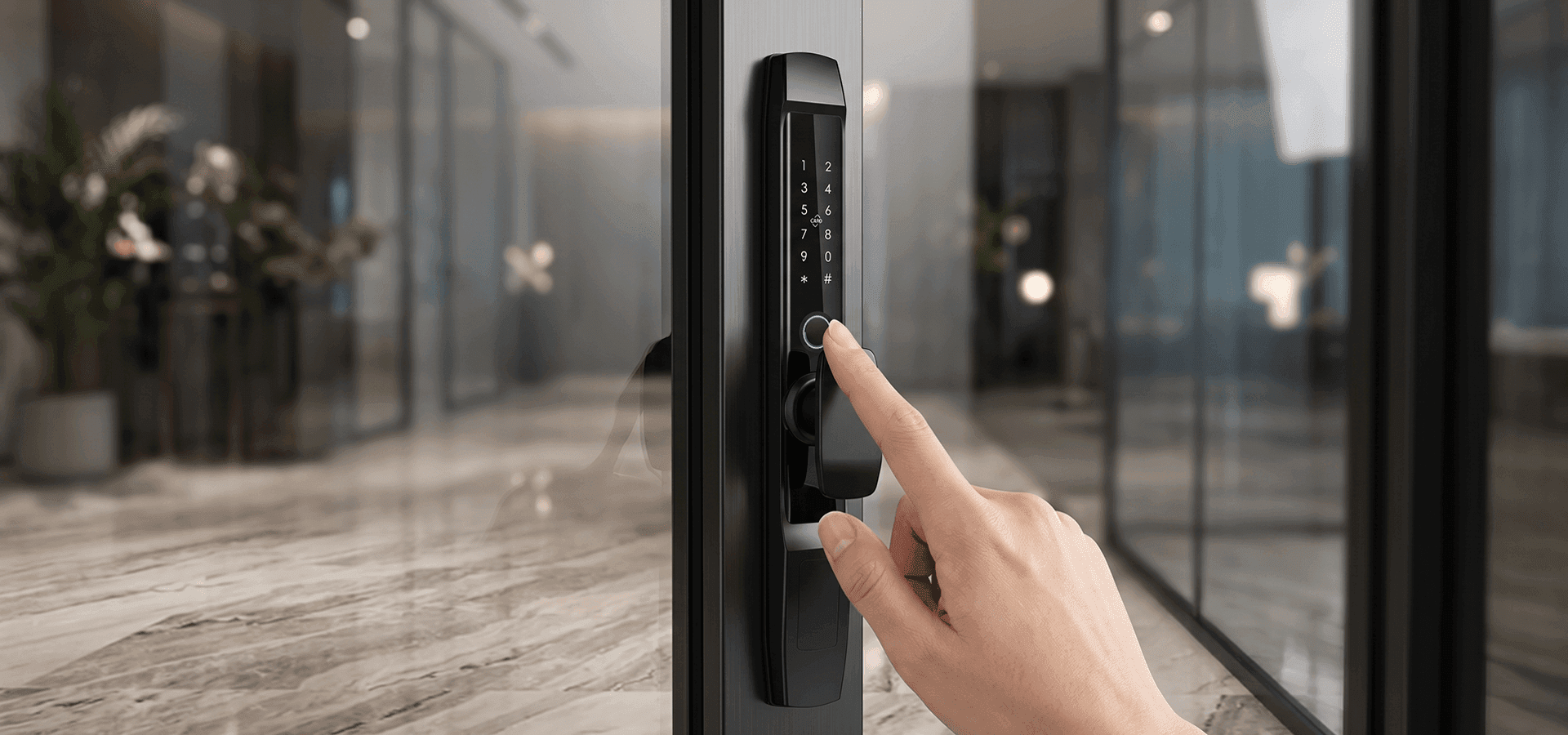
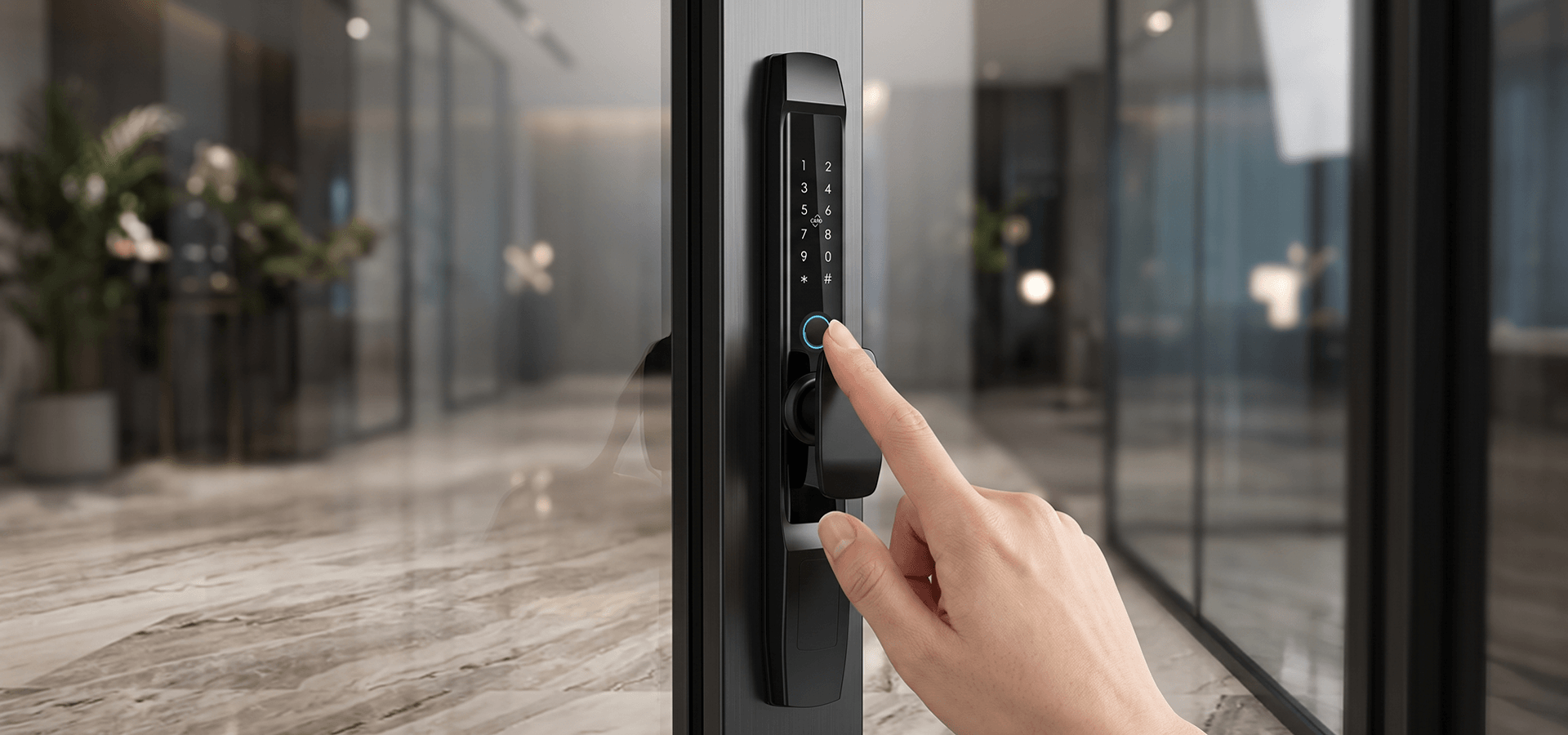
The T8 narrow-profile smart lock is designed for applications where a compact footprint and clean integration are essential. It gives architects, fabricators and access-control buyers a path to digital entry on doors that cannot accept bulky hardware.
Where Narrow-Profile Locks Are Used
Slim framed doors appear throughout commercial buildings. They are common at offices, storefronts, apartments, internal glass partitions and utility spaces. A narrow-profile design preserves the visual proportions of the door and avoids hardware that extends awkwardly beyond the frame.
Measure Before You Specify
Successful deployment depends on accurate door data. Buyers should record the stile width, door thickness, lock position, backset, handing and frame clearance. The existing mortise or cutout should also be documented with photos and drawings.
For multi-door projects, do not assume every opening is identical. Survey representative doors from each construction phase or building area before finalizing the configuration.
Plan the Full Access Workflow
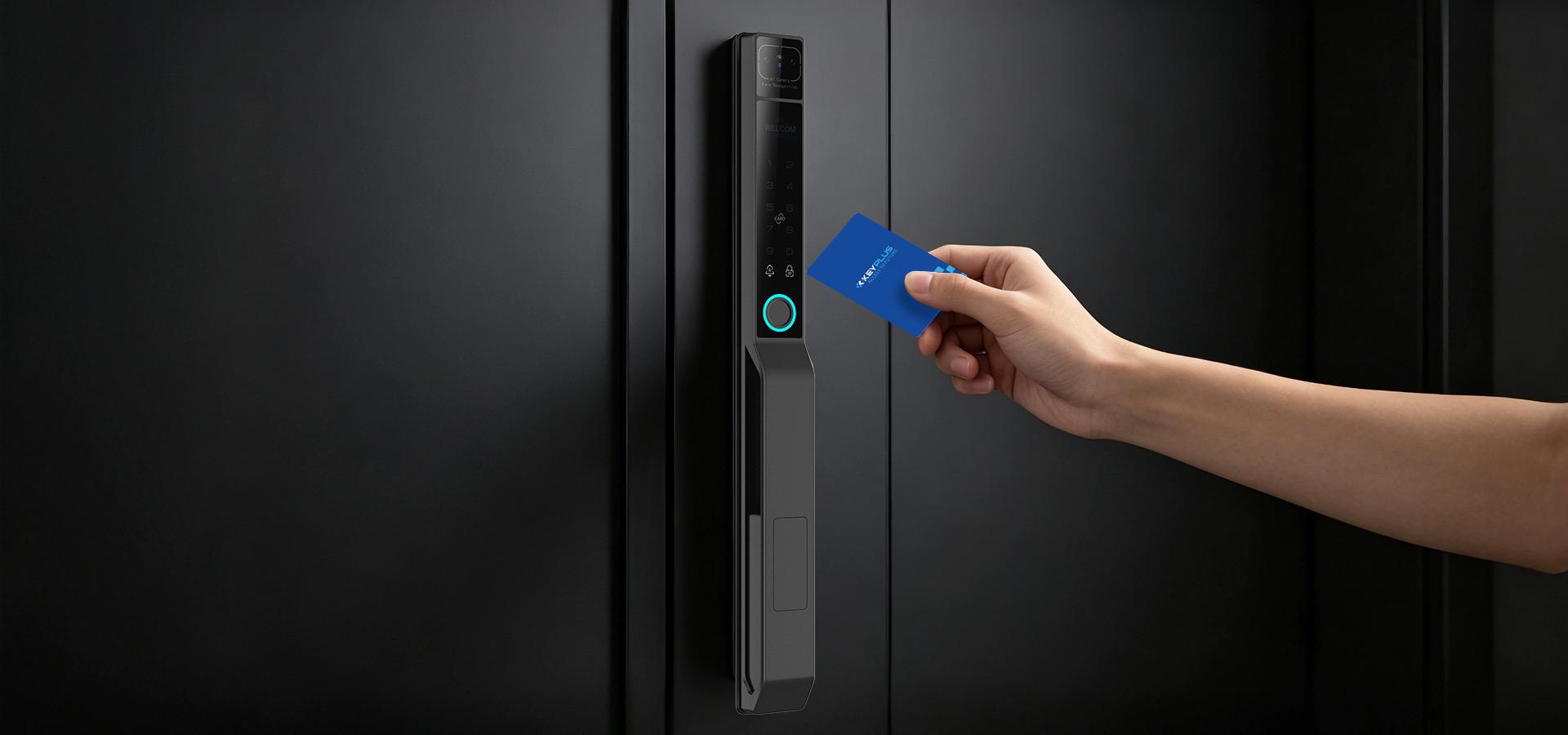
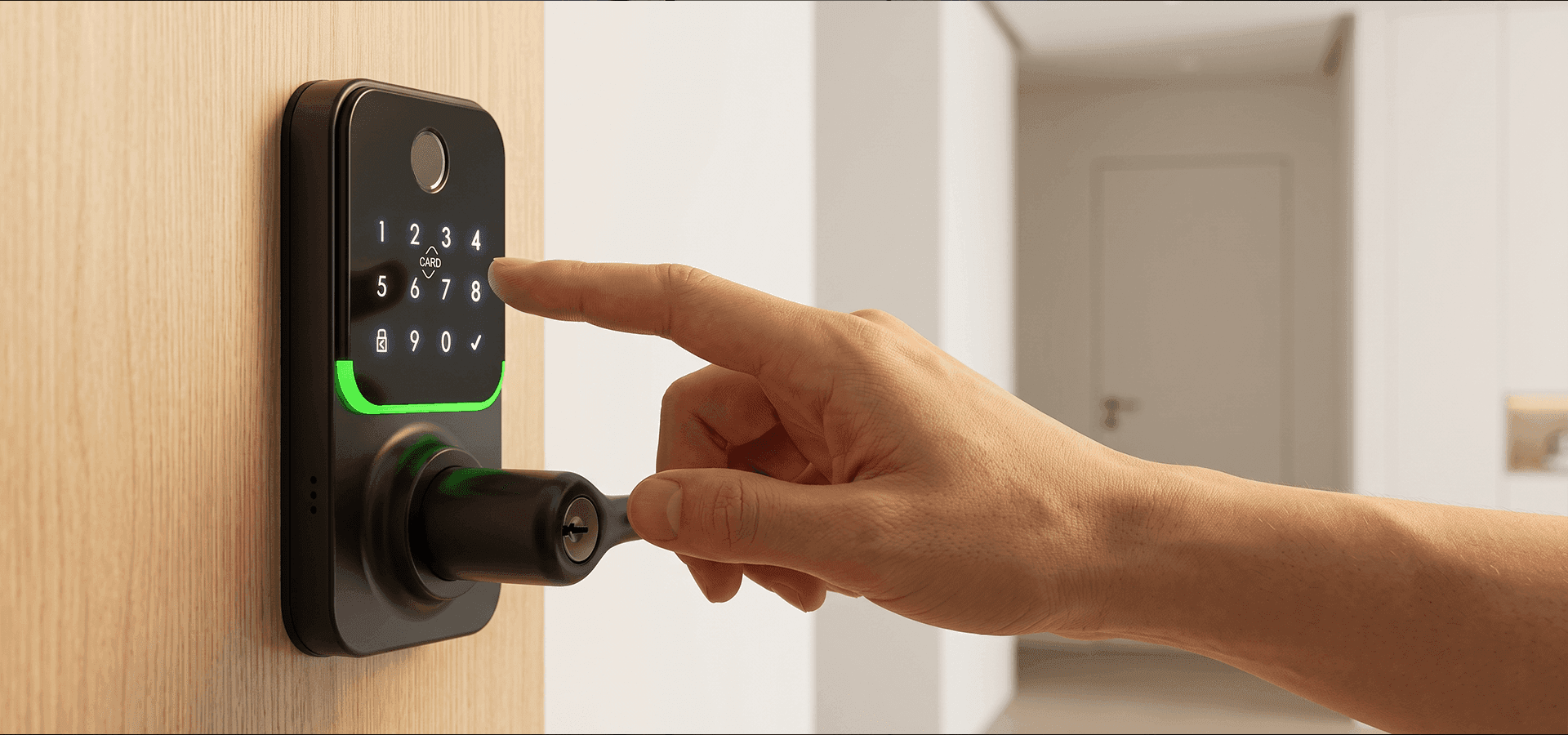
Hardware is only one part of a smart-access system. Define which credential methods are required, who will enroll users and how temporary access will be handled. Offices may prioritize fast staff entry, while rentals may need frequent code changes and remote administration.
Emergency procedures deserve equal attention. Document battery inspections, emergency power options and mechanical override access so that facility teams know exactly what to do during a low-power event.
Design and Maintenance Benefits
A well-matched narrow lock can maintain the clean appearance of an aluminum door while adding controlled access. When the product is specified with the correct dimensions, installation becomes more predictable and future maintenance is easier.
- Verify door and frame dimensions
- Confirm handing and opening direction
- Choose credential methods for each user group
- Plan battery checks and emergency access
- Request samples for large projects when practical
A Smart-Lock Choice Guided by Architecture
The T8 is best considered when door geometry is the primary constraint. By starting with measurements and then defining the access workflow, project teams can add digital security without compromising the slim architectural profile.
View the T8 narrow-profile smart lock and share your door drawings for compatibility guidance.